Woven Frame Desk
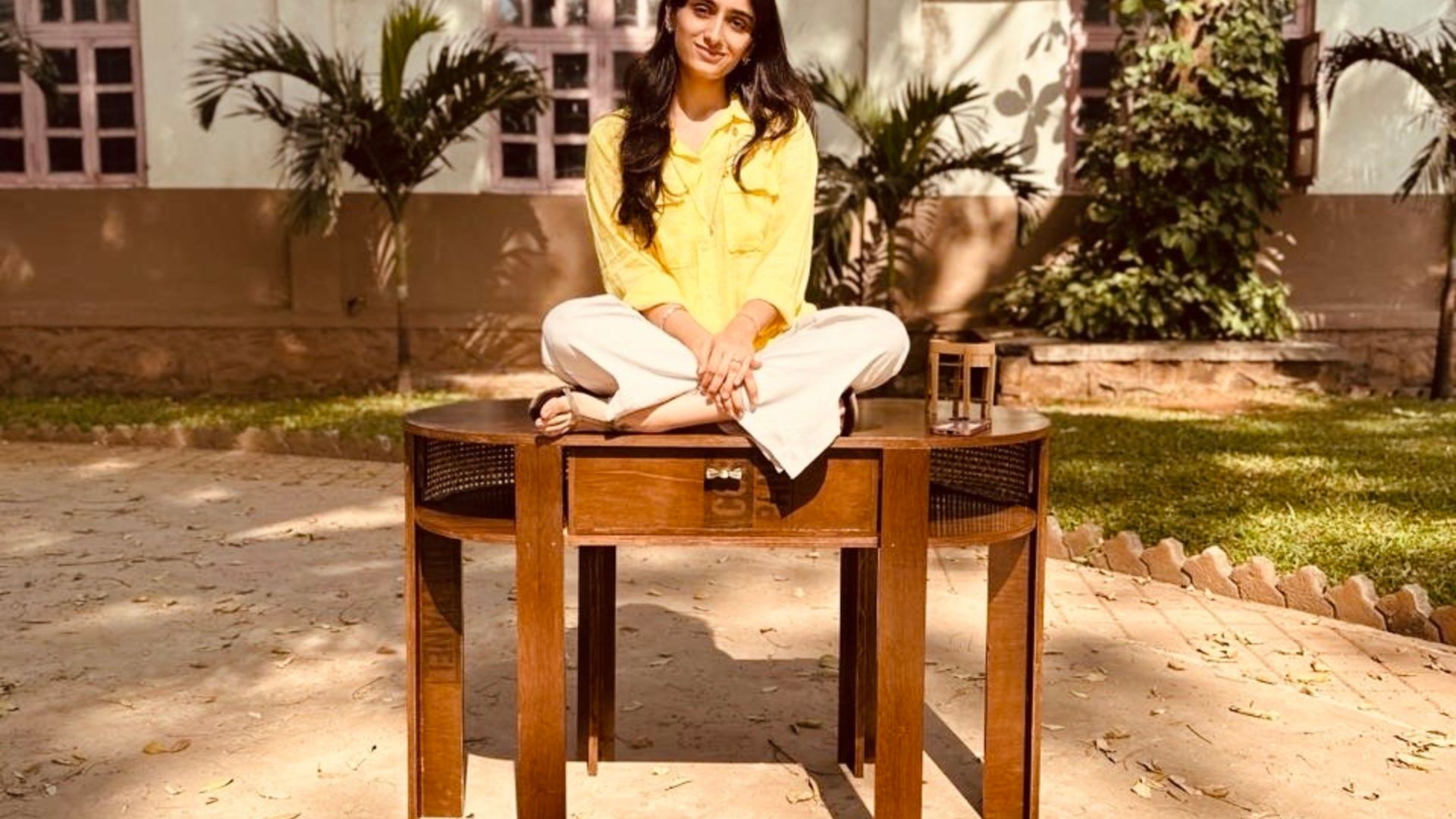
A handcrafted wooden desk combining solid timber structure with woven cane panels, exploring the balance between traditional craft and contemporary furniture form.
Year:
2024
Category:
Furniture Design
Client:
Academic Jury Project
Project Overview
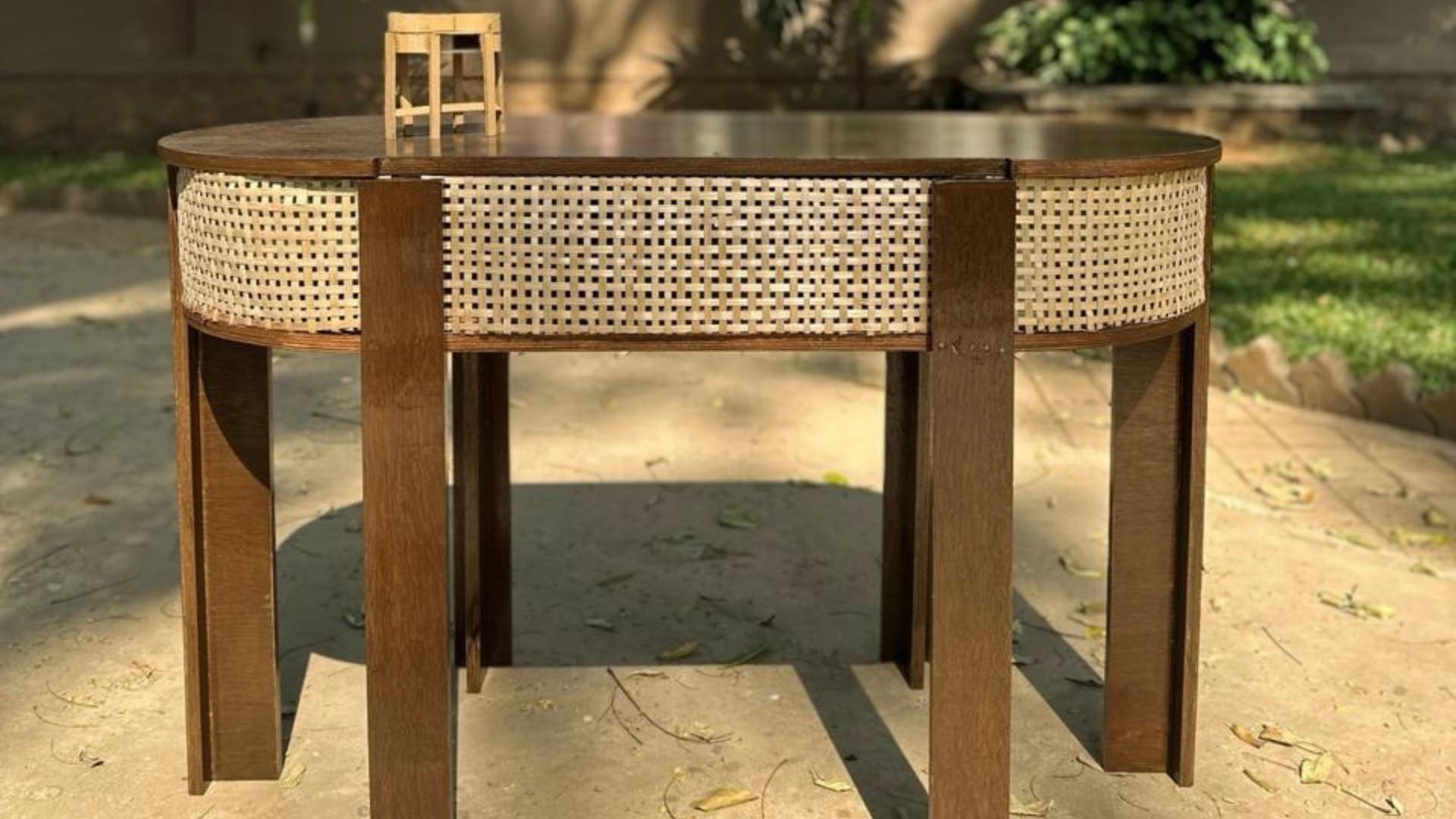
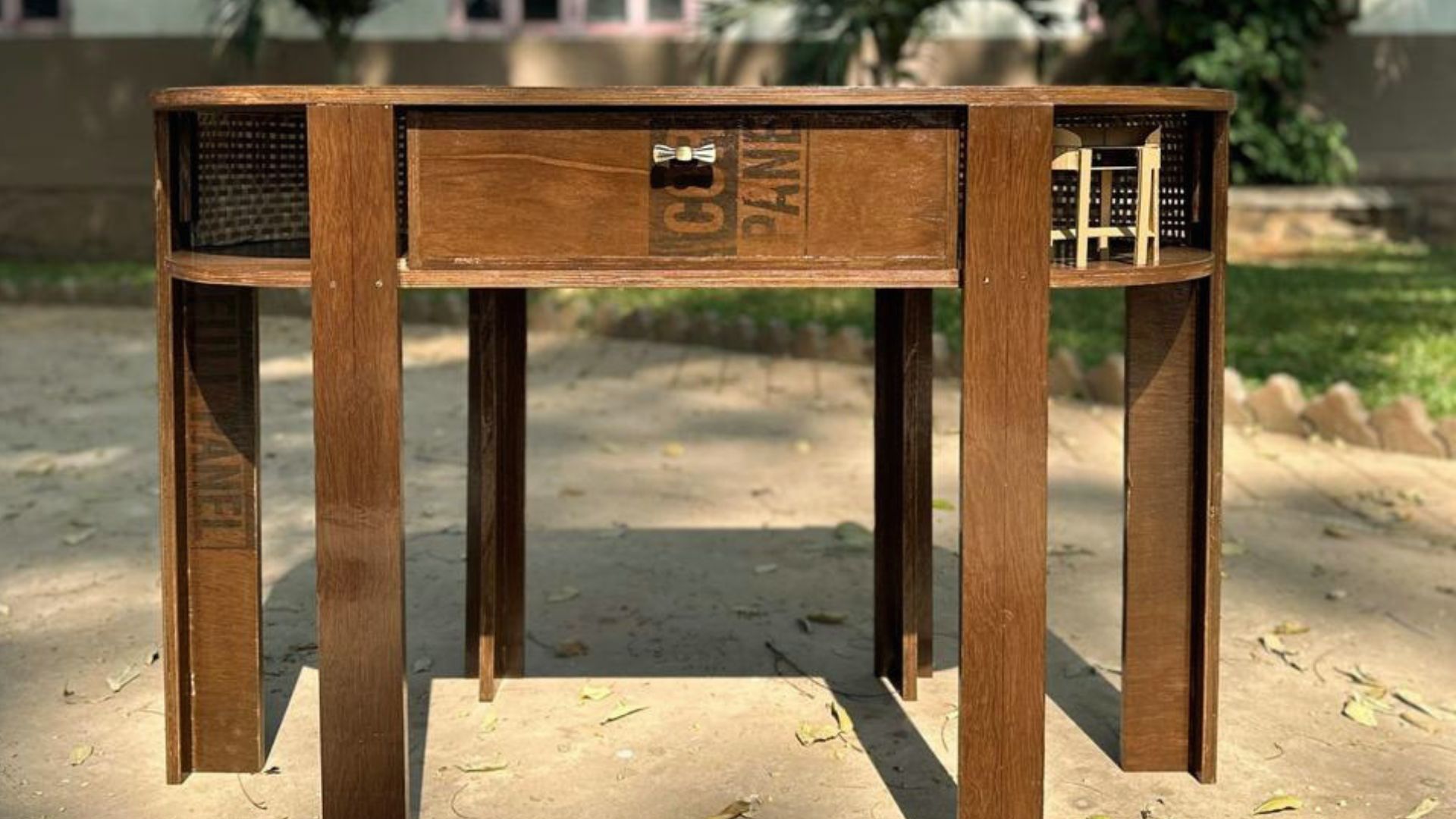
This desk was designed as a personal workspace project with a focus on combining structural clarity and material warmth. The design introduces a curved side enclosure that holds a woven cane surface, creating a balance between solid construction and visual openness.
The project explores how traditional weaving techniques can be incorporated into a contemporary furniture form while maintaining usability and structural stability.
Software Used
Fusion 360
Approach
The design process focused on developing a desk that felt visually light while remaining structurally reliable. Instead of a fully enclosed body, a partial curved structure was introduced to frame the woven surface and create material contrast.
Proportion, leg placement, and tabletop thickness were refined through sketches and modeling to achieve a balanced and comfortable desk configuration.
Target Audience
Primary
• Design-conscious individuals and students
• Home users needing a compact work desk
• People who value craft, material, and minimal furniture
Secondary
• Small studios and creative workspaces
• Cafés / boutique interiors
• Users looking for lightweight, aesthetic furniture
Form Development
Early form exploration studied different frame geometries and side profiles. Rectangular frames felt visually heavy, leading to the development of a curved enclosure that softens the desk silhouette.
The curved element also creates a defined visual feature while supporting the woven panel. Adjustments were made to ensure the desk maintained proper proportions and comfortable leg space for everyday use.
CAD Development
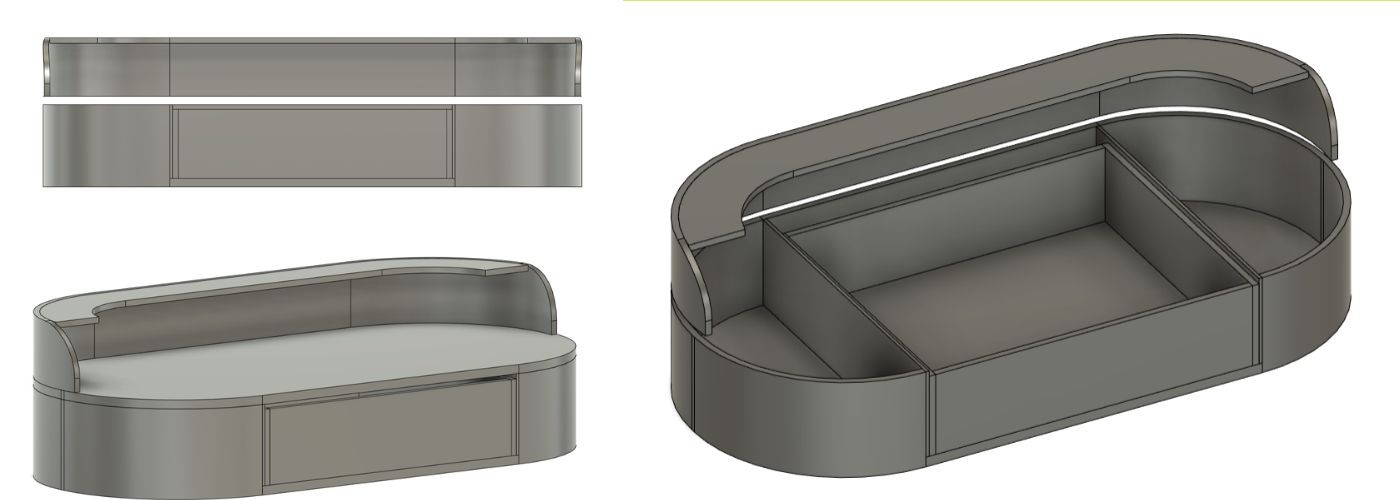
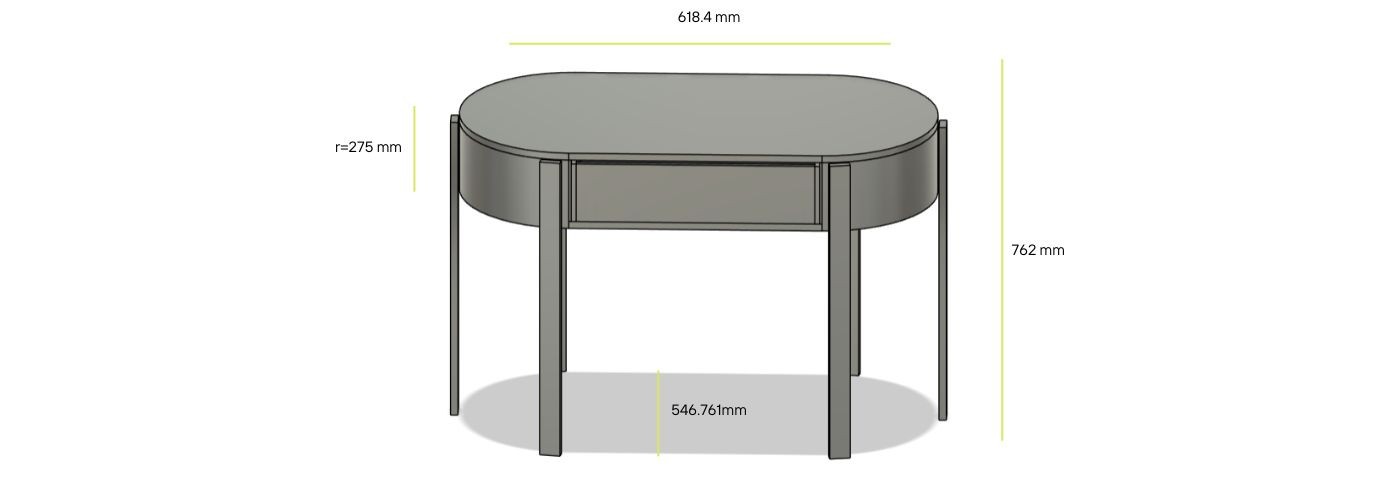
The desk was modeled digitally to refine dimensions, curvature, and component placement. CAD allowed accurate testing of the capsule profile and alignment between the frame, legs, and woven panel opening.
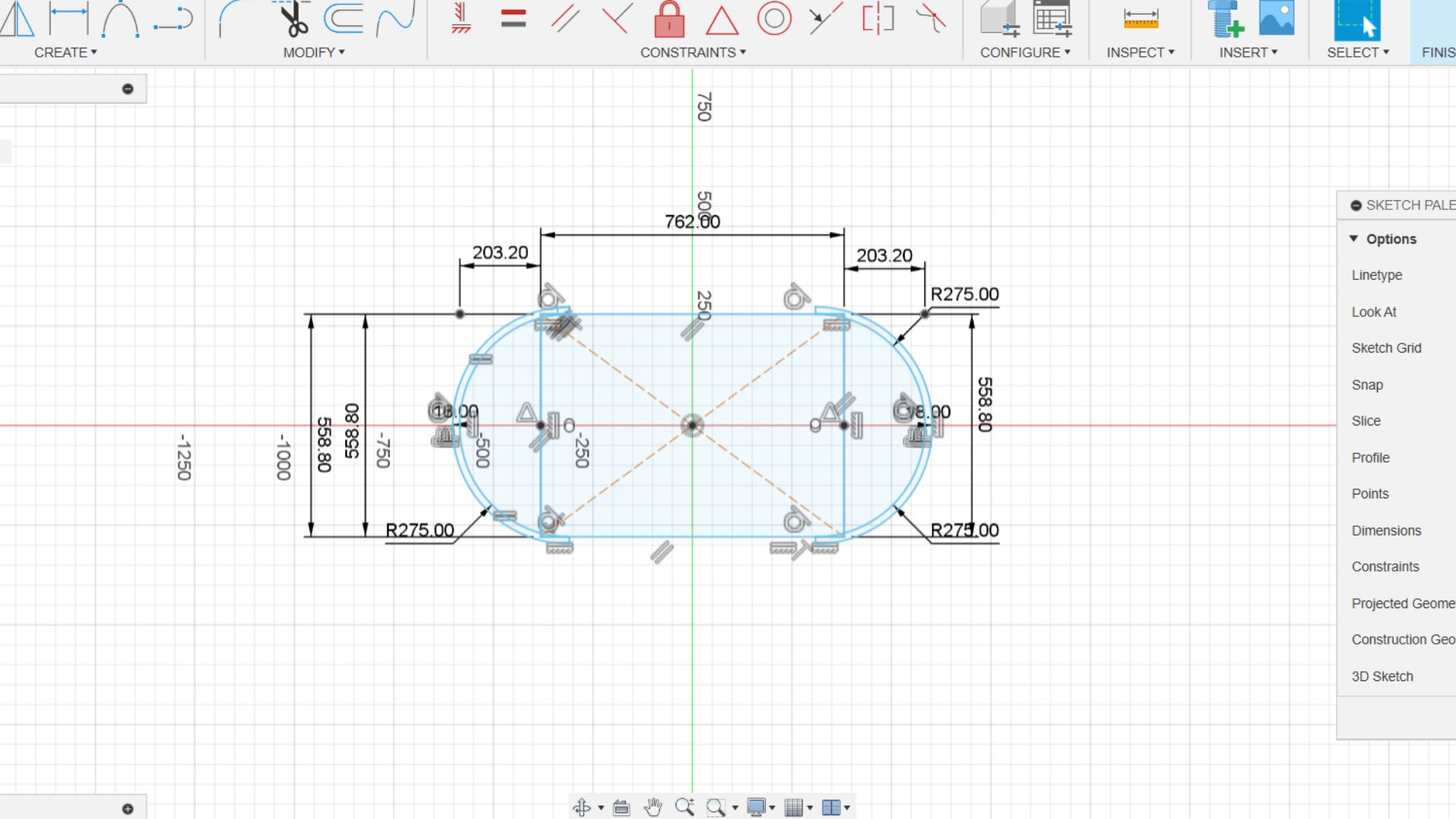
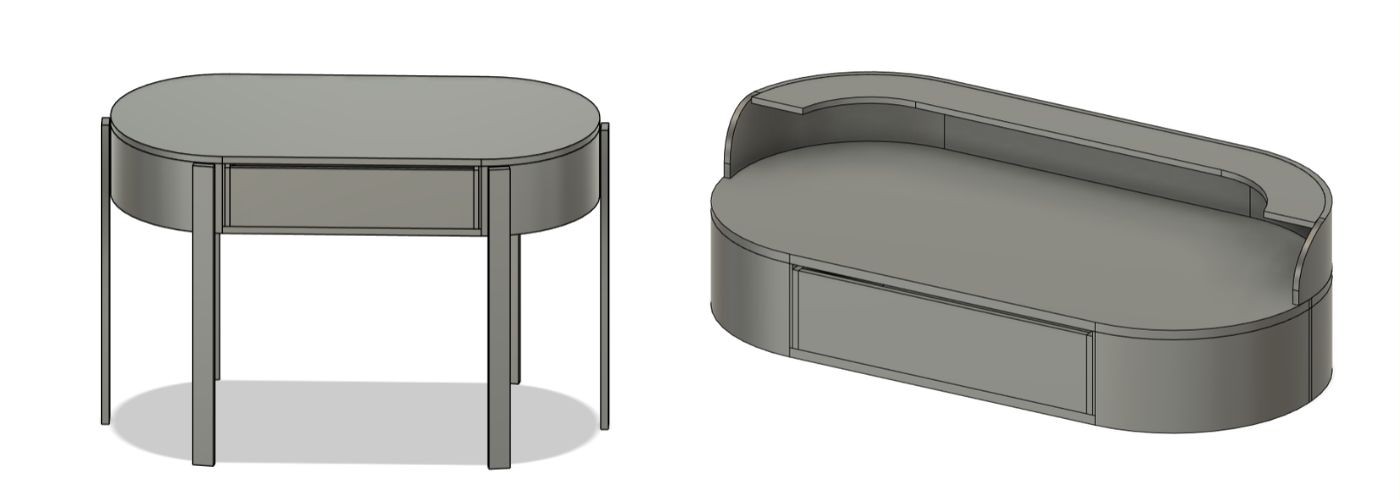
This stage ensured that all parts could be fabricated precisely while maintaining the intended form and structural relationships.
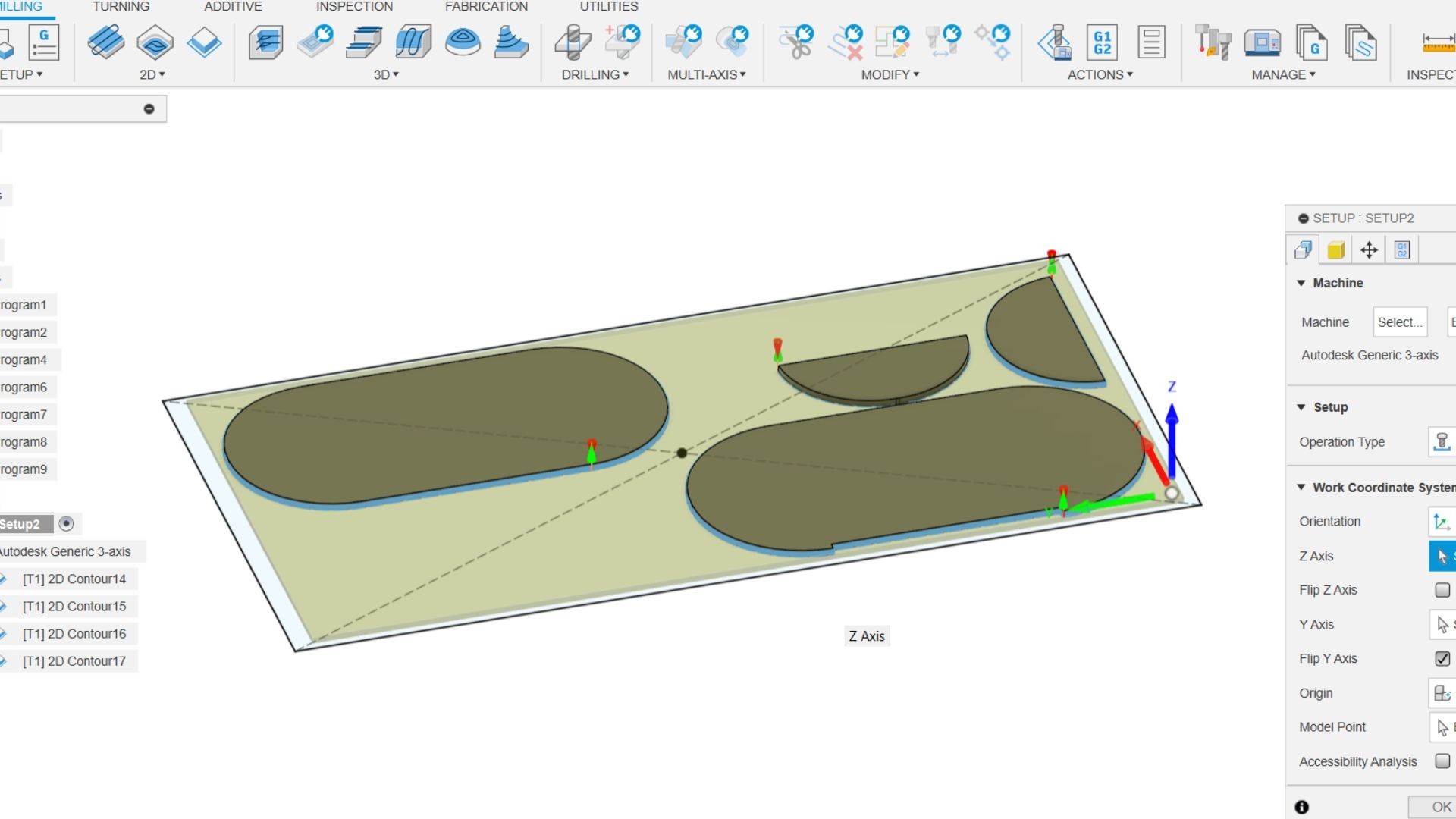
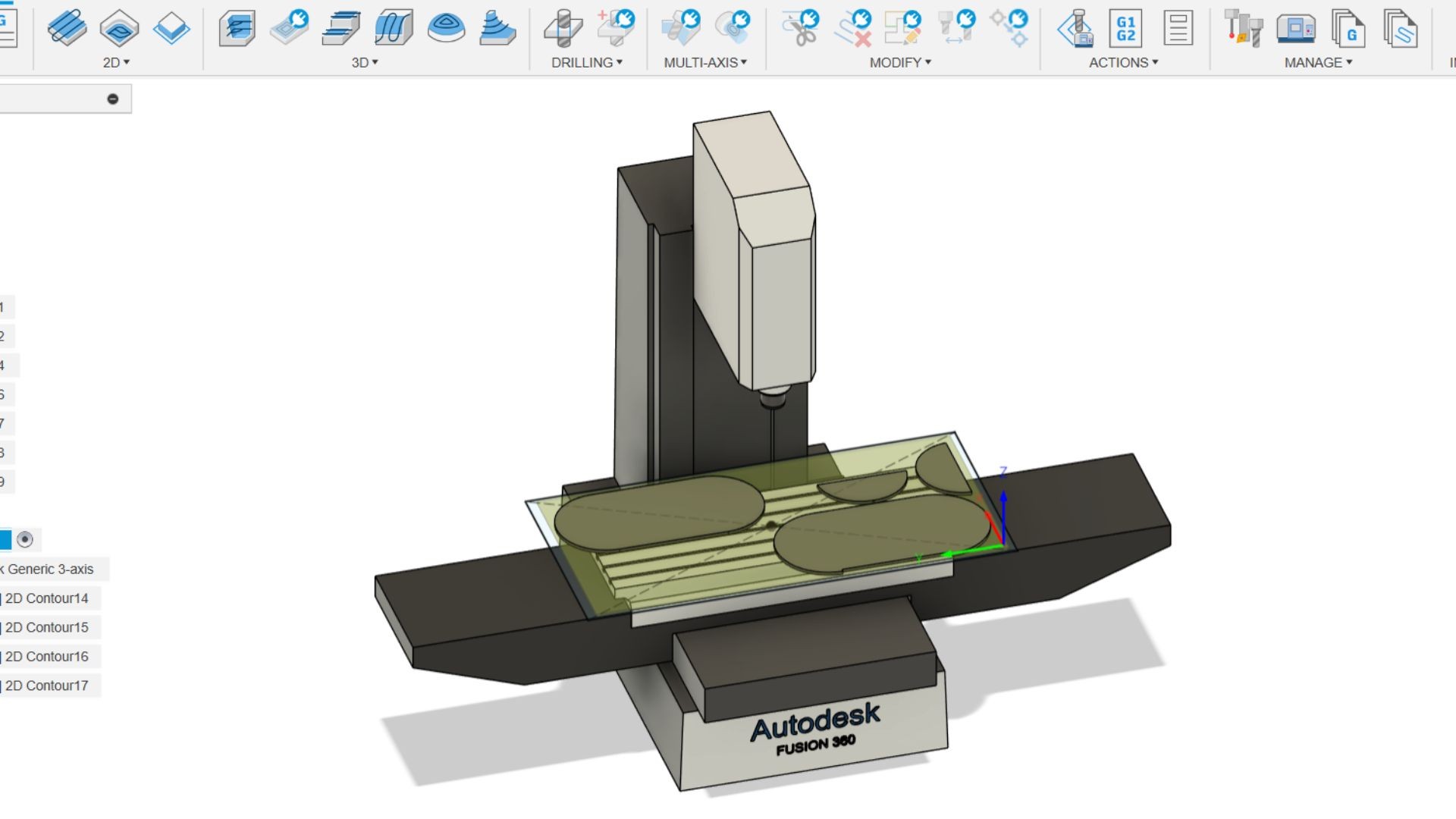
CAD models were converted into toolpaths and machined using CNC routing.
Material Exploration
Material selection focused on combining strength with visual texture. Solid wood was chosen for the frame due to its durability and natural finish.
Cane weaving was introduced as a secondary material to add permeability and handcrafted character. The curved enclosure was developed using 12 mm plywood, allowing the shape to be formed smoothly while maintaining sufficient rigidity.
Joinery & Construction Details
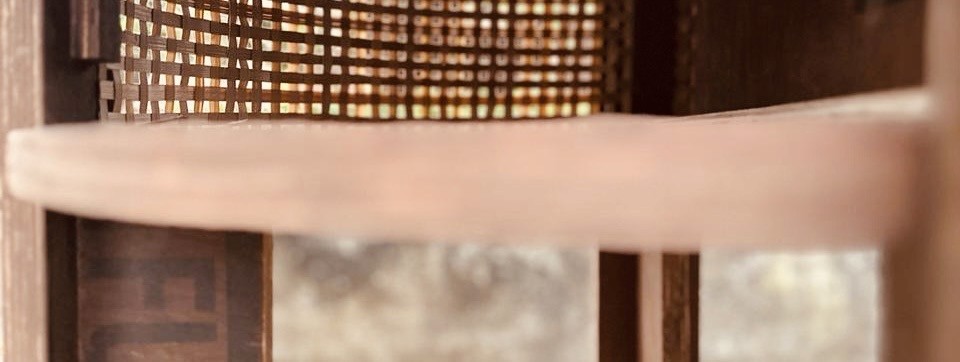
The table leg is aligned with the main frame and fixed securely to ensure structural stability. The connection is reinforced through precise joinery, maintaining clean alignment between vertical and horizontal members.
The assembly supports the overall structure while integrating seamlessly with the curved frame and woven panel.
Fabrication Process
Fabrication began with cutting and shaping the wooden structural components. The plywood enclosure was then formed and attached to the frame to create the curved side profile.
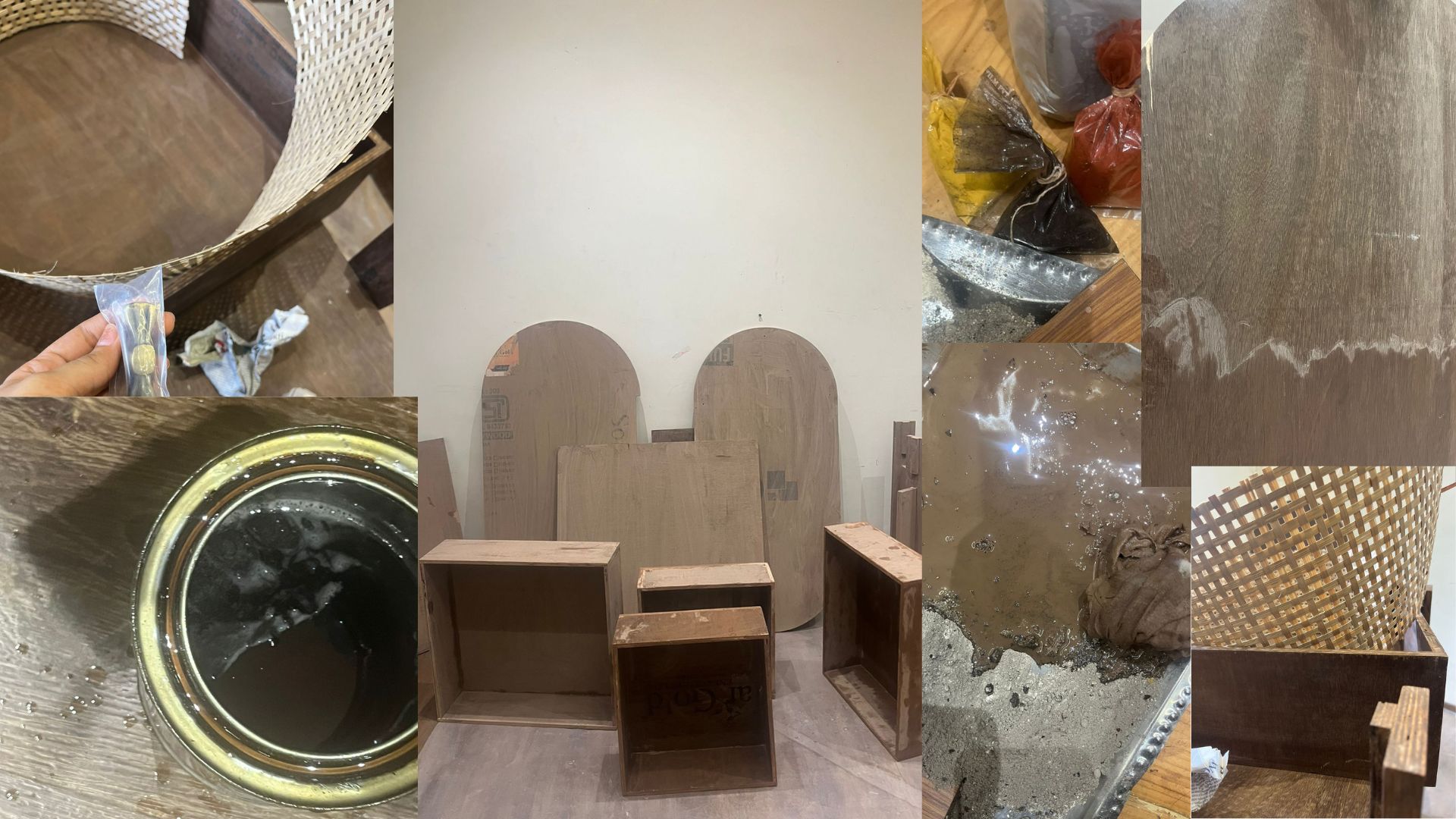
Once the structural assembly was completed, the cane weaving was installed within the opening. The desk was sanded and finished to enhance the natural material appearance.
Key Challenges
• Forming a smooth curved enclosure using plywood
• Integrating woven material within a rigid structure
• Maintaining structural stability with minimal components
• Achieving clean proportions for comfortable desk use
Materials
Solid Wood
Natural Cane
12 mm Plywoo
Wood Adhesive
Clear Wood Finish
Projects
other