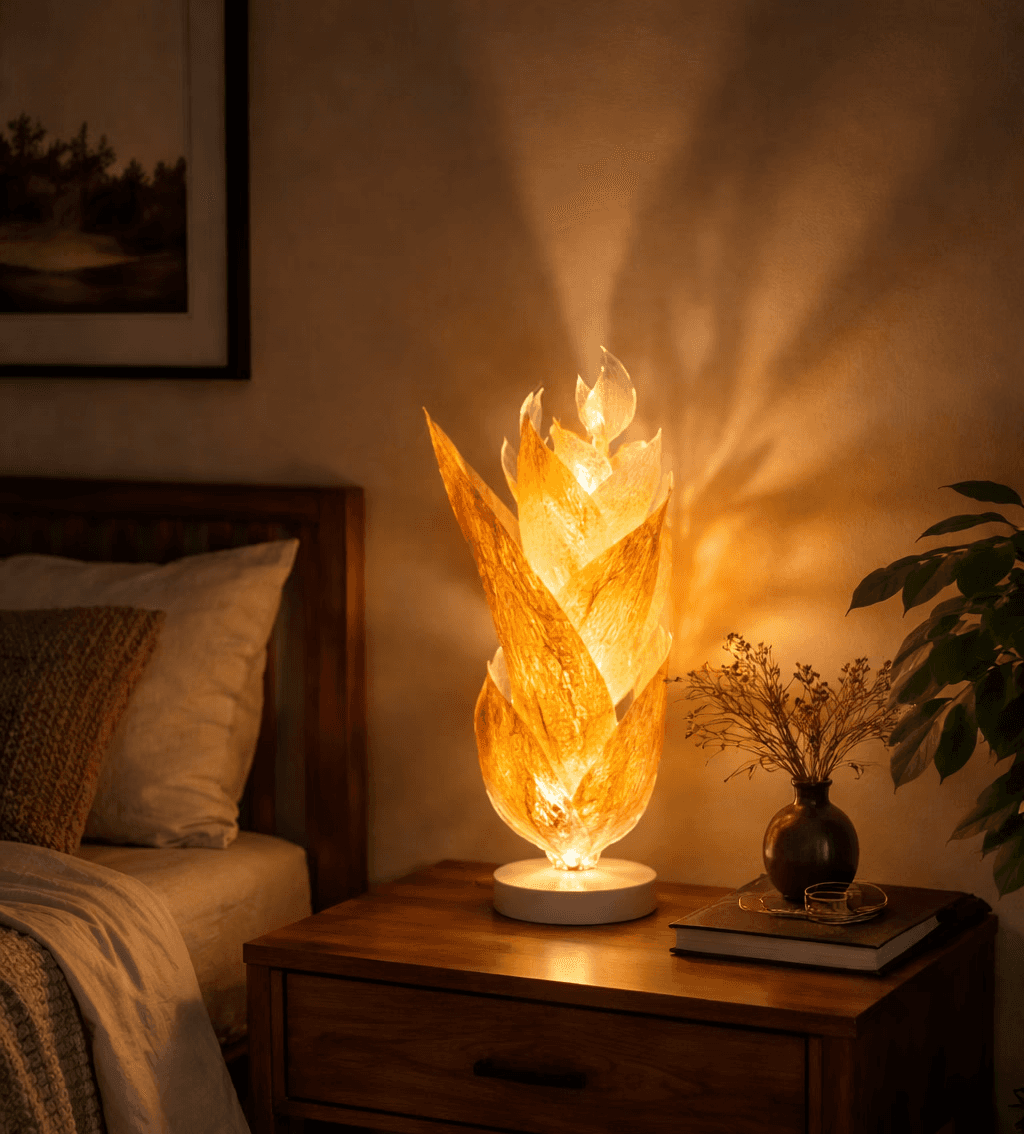
Mould Design
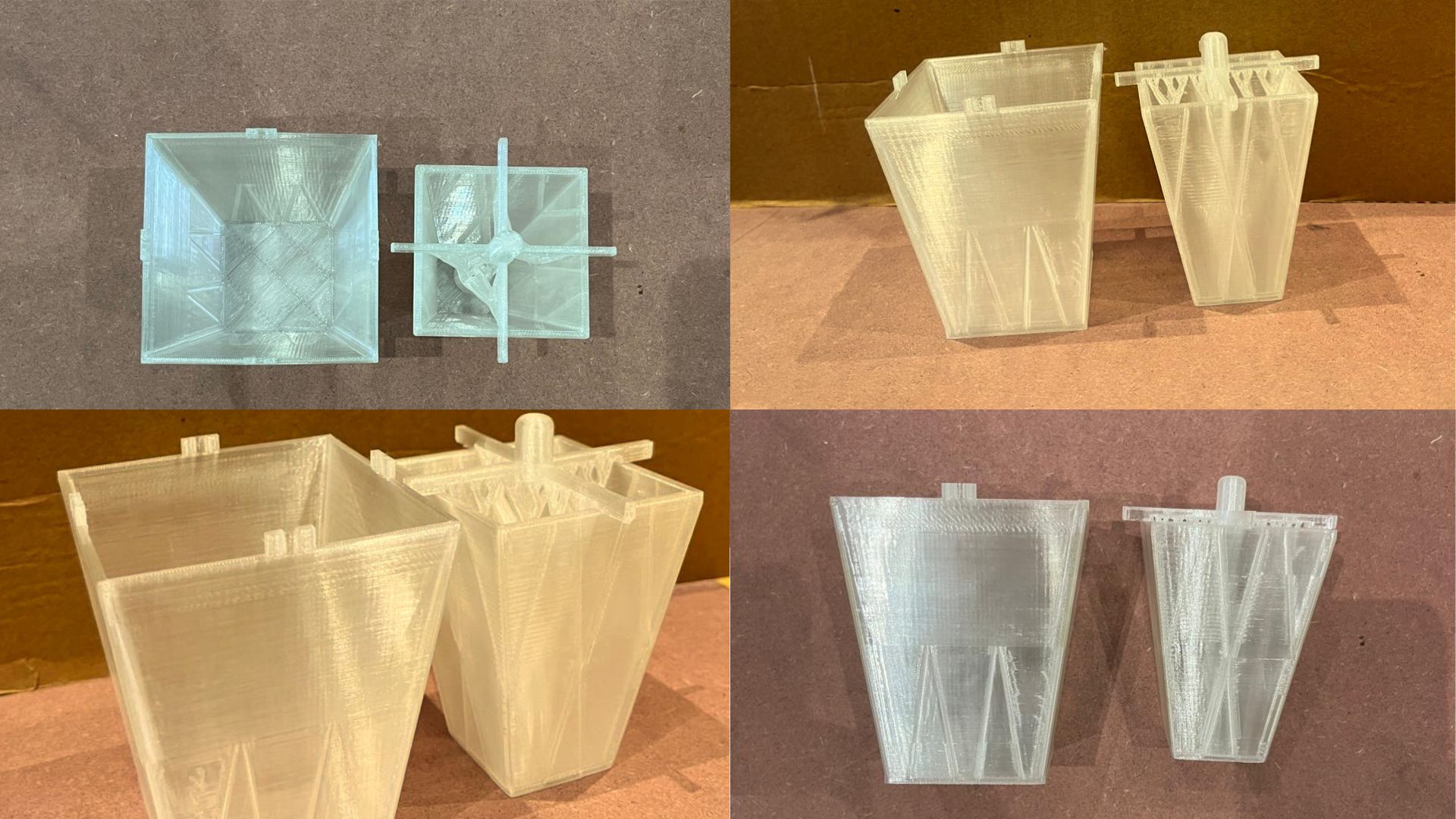
A set of casting moulds developed to explore one-piece and two-piece systems through functional objects, including paw and bread-shaped coasters and two pen stand variations.
Year:
2026
Category:
CAD & Fabrication
Client:
Academic Project
Project Overview
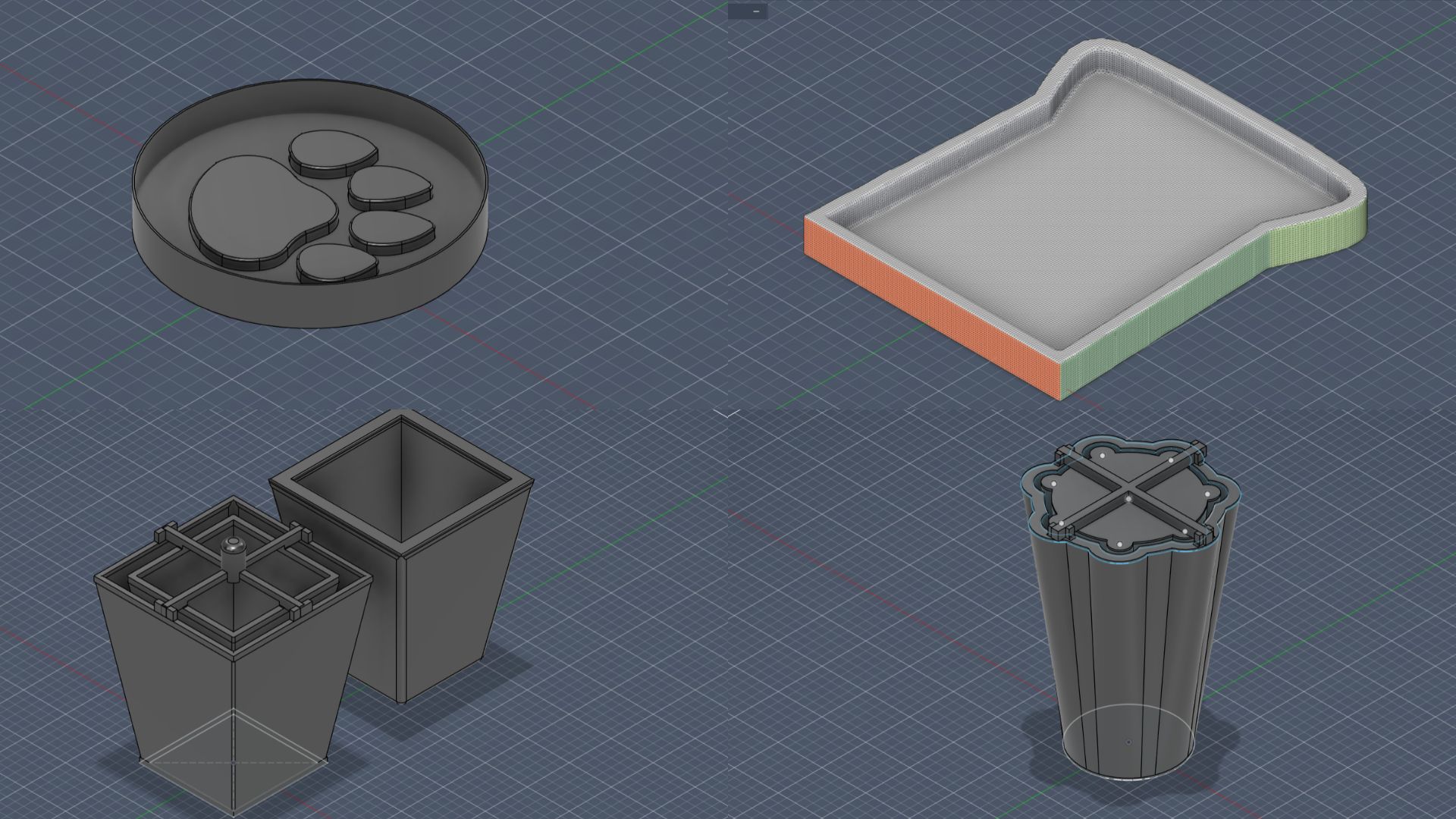
This project explores different mould-making approaches through a set of functional objects: a paw-shaped coaster, a bread-shaped coaster, and two pen stand variations.
In total, four mould systems were developed, comparing one-piece and two-piece casting methods.
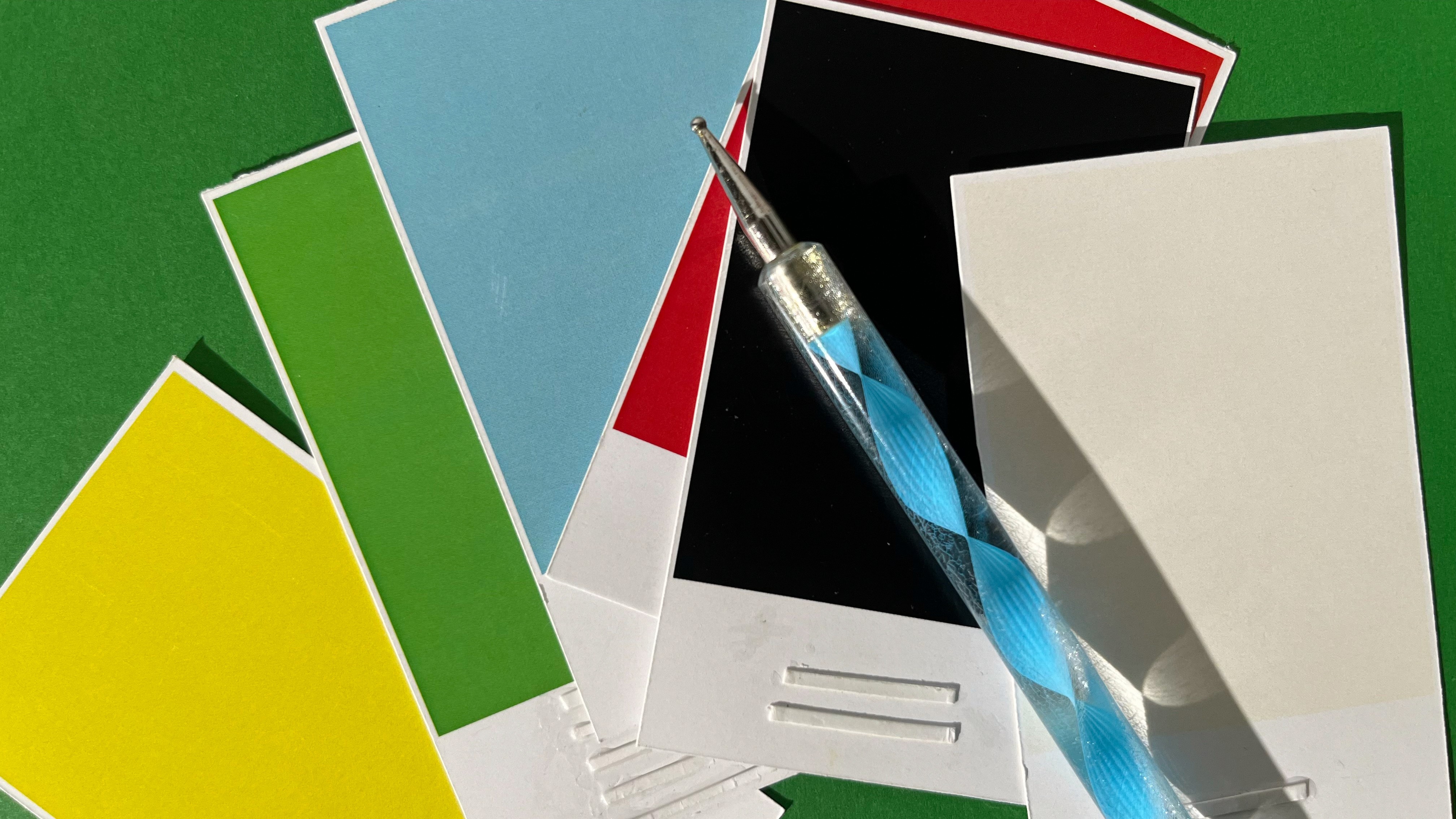
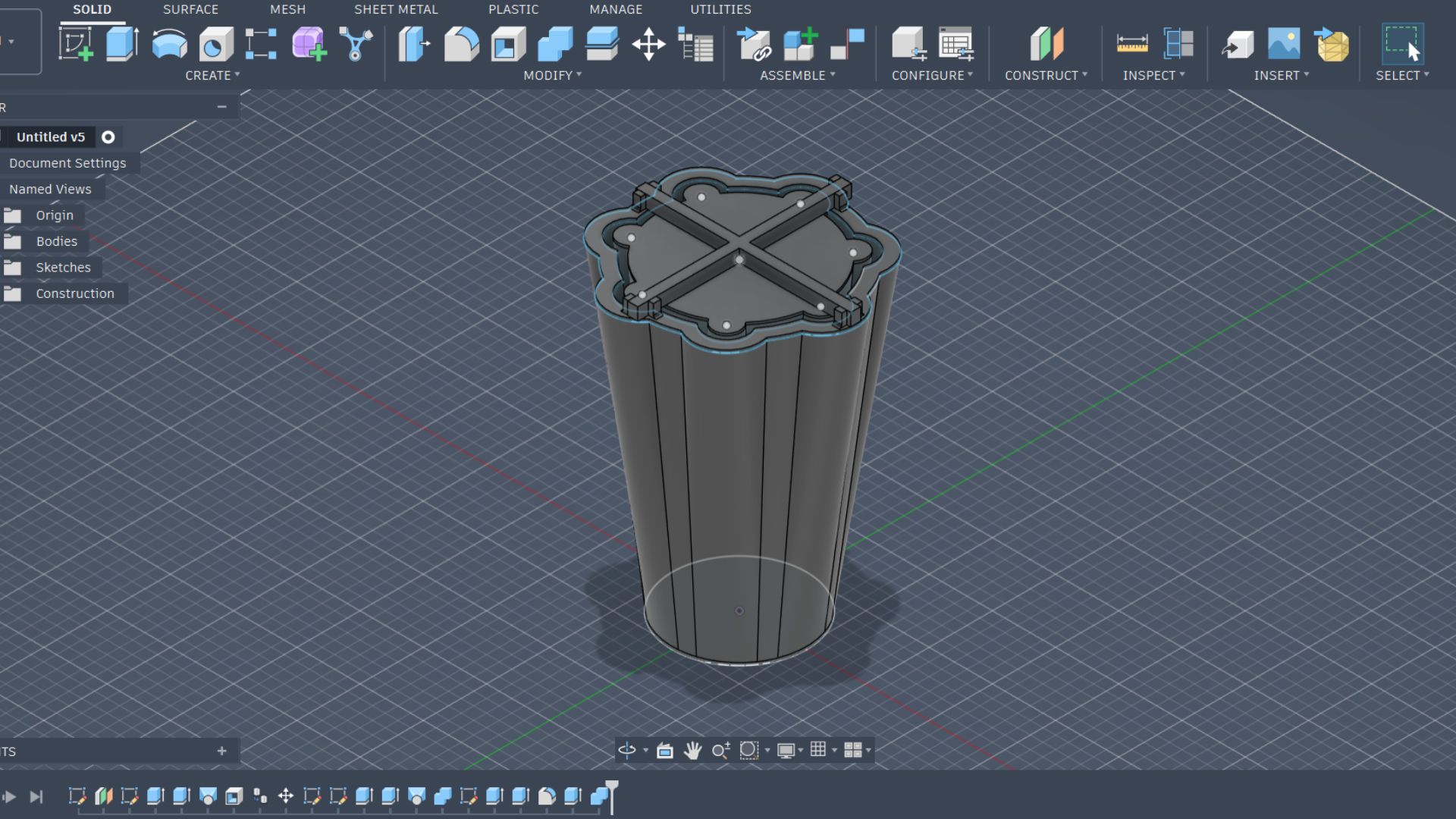
The moulds are designed for use with biodegradable casting materials, influencing decisions around draft angles, surface finish, and demoulding. The project examines alignment, material behavior, and surface detailing, combining CAD modelling with digital sculpting workflows.
Software Used
Fusion 360
Mould Types & Variations
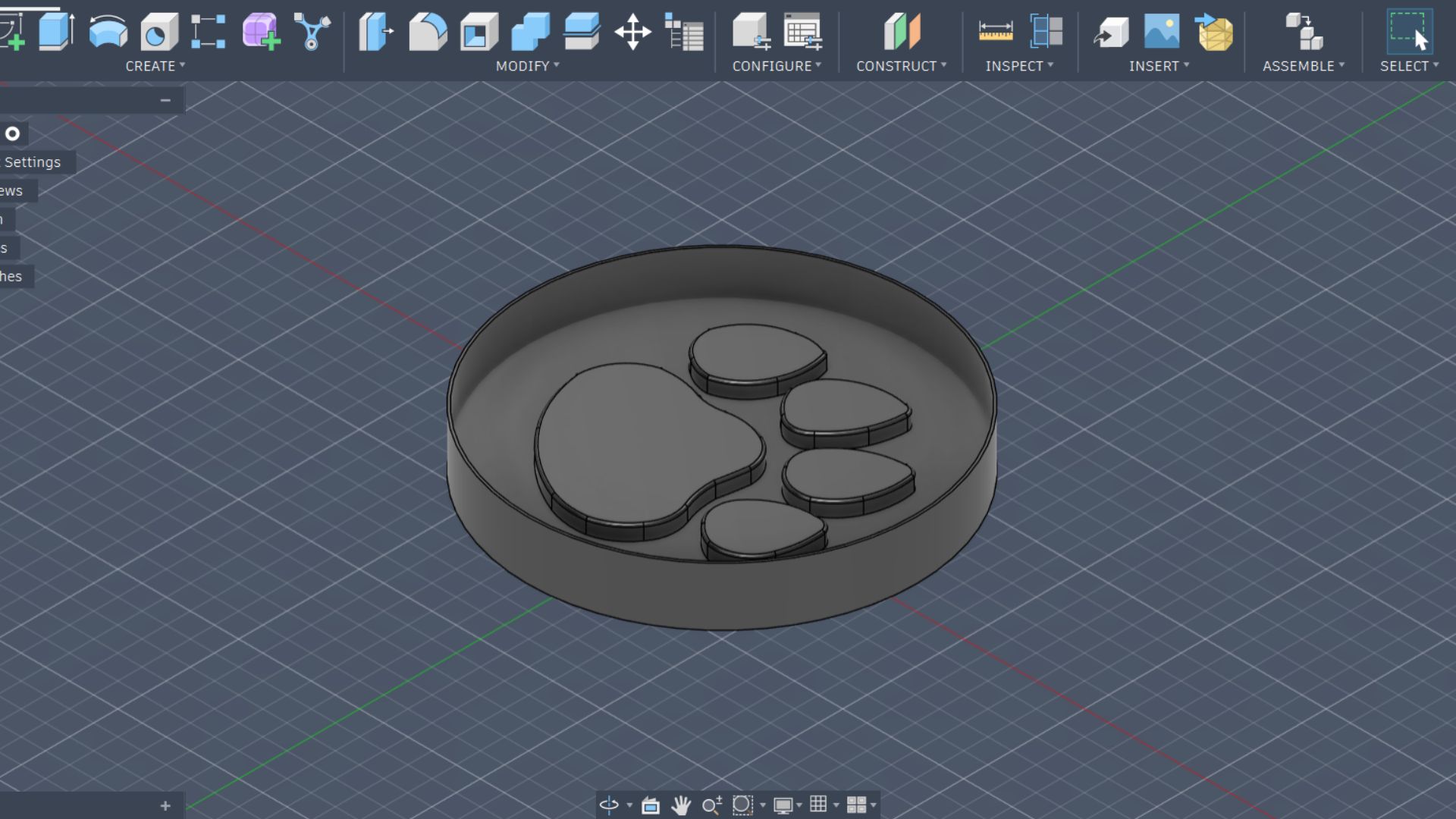
1. One-Piece Moulds (2 units)
Used for simpler geometries with minimal undercuts:
Paw-shaped coaster
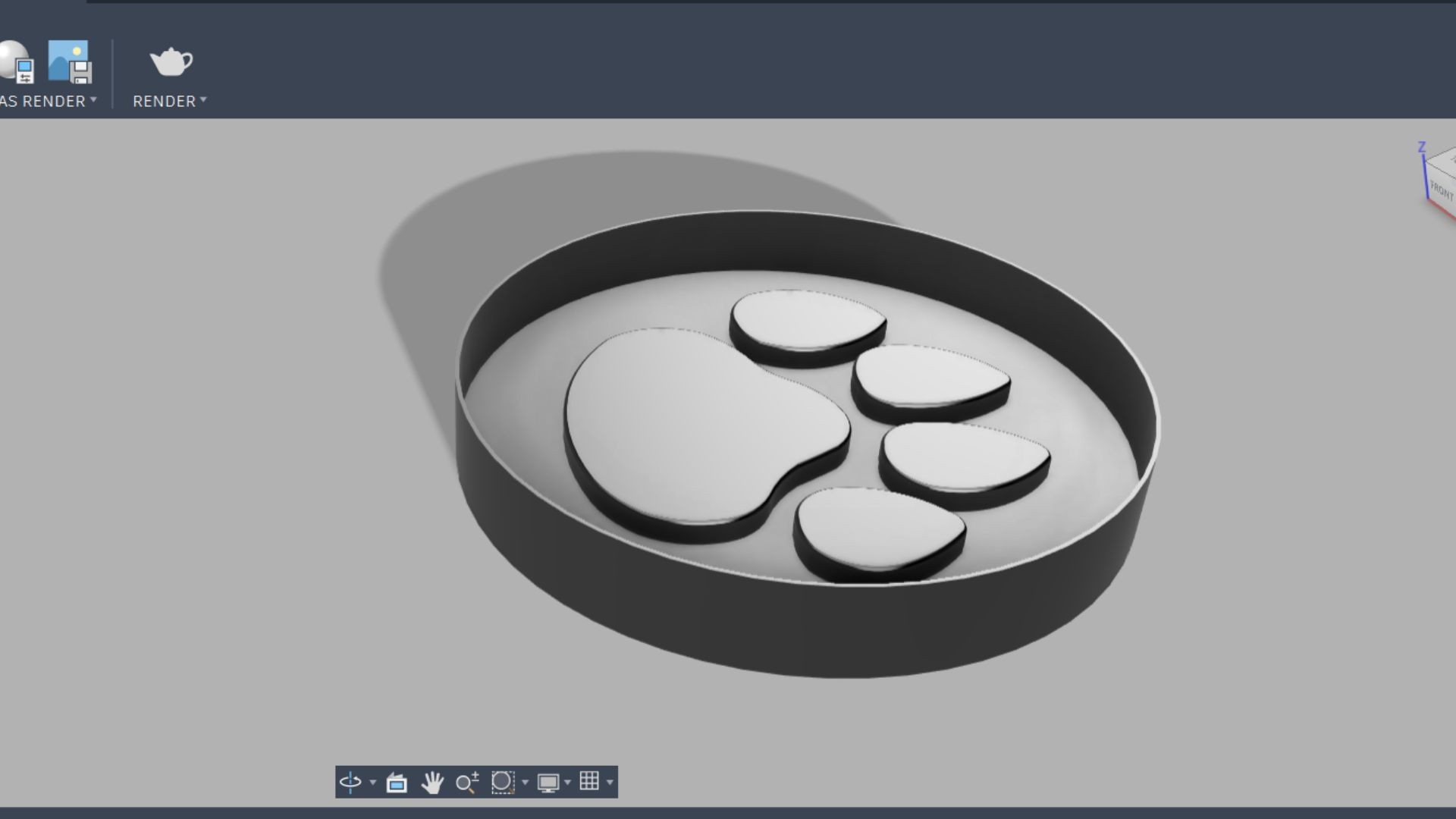
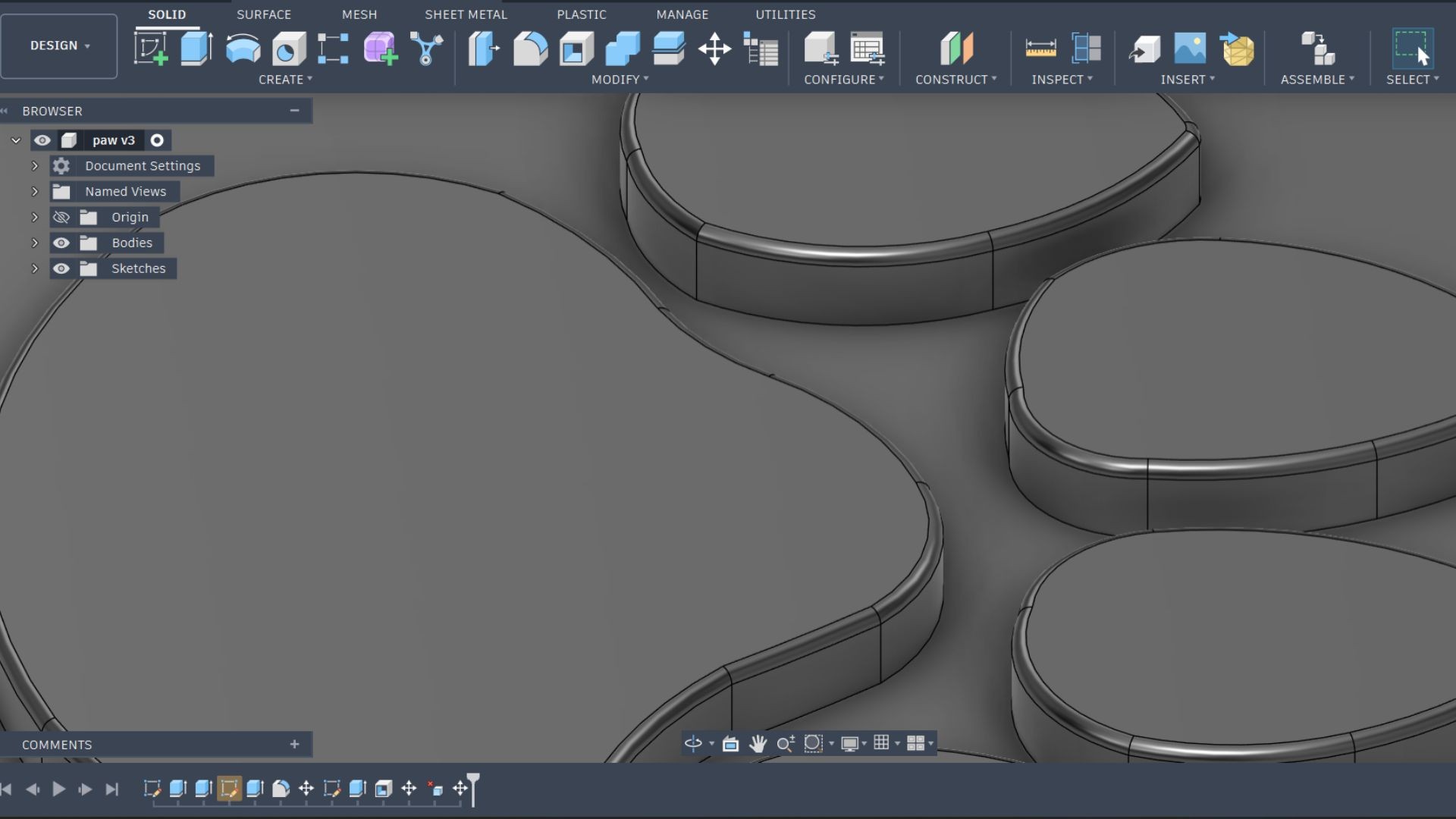
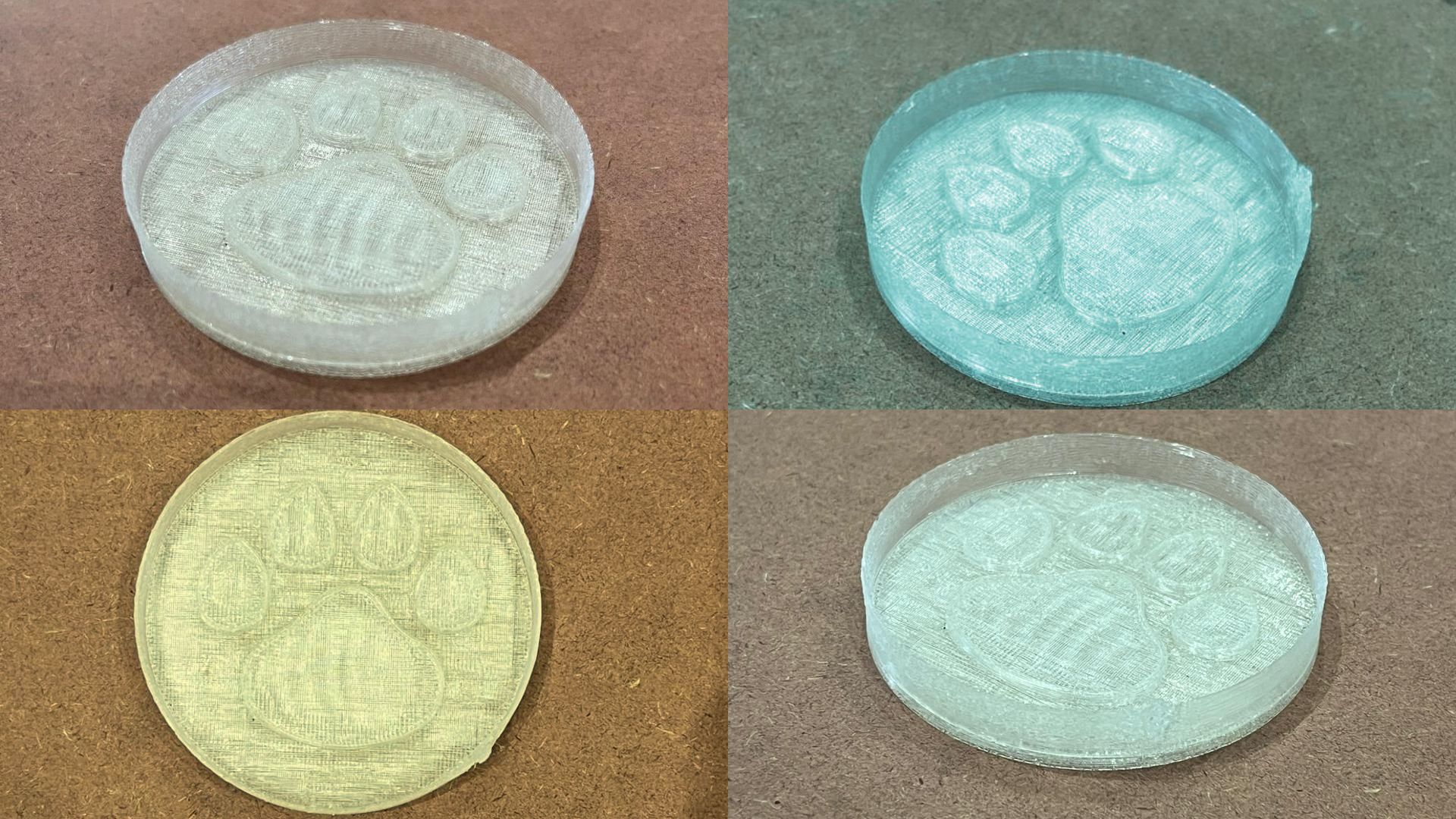
Bread-shaped coaster (with texture developed in Blender)
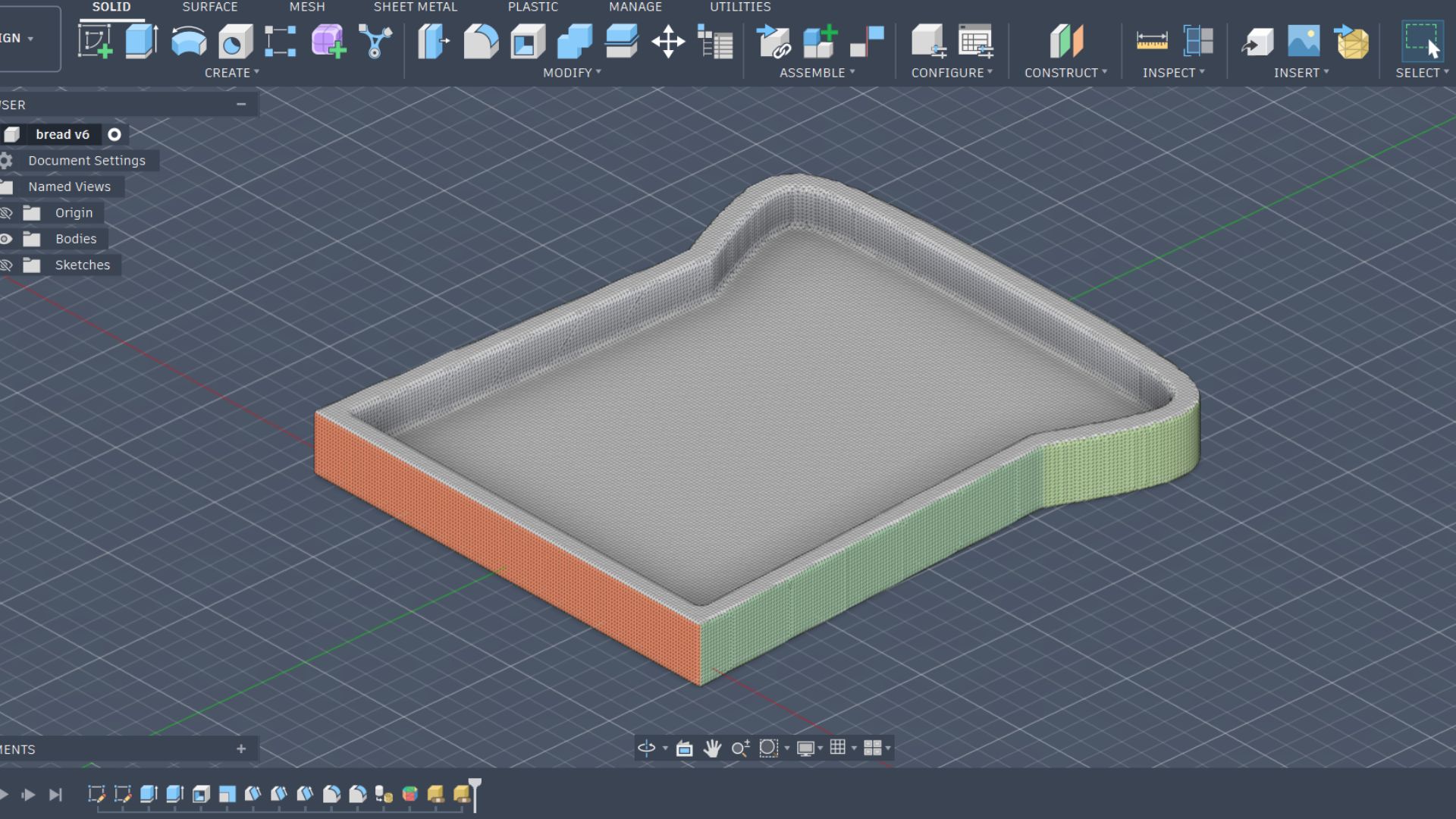
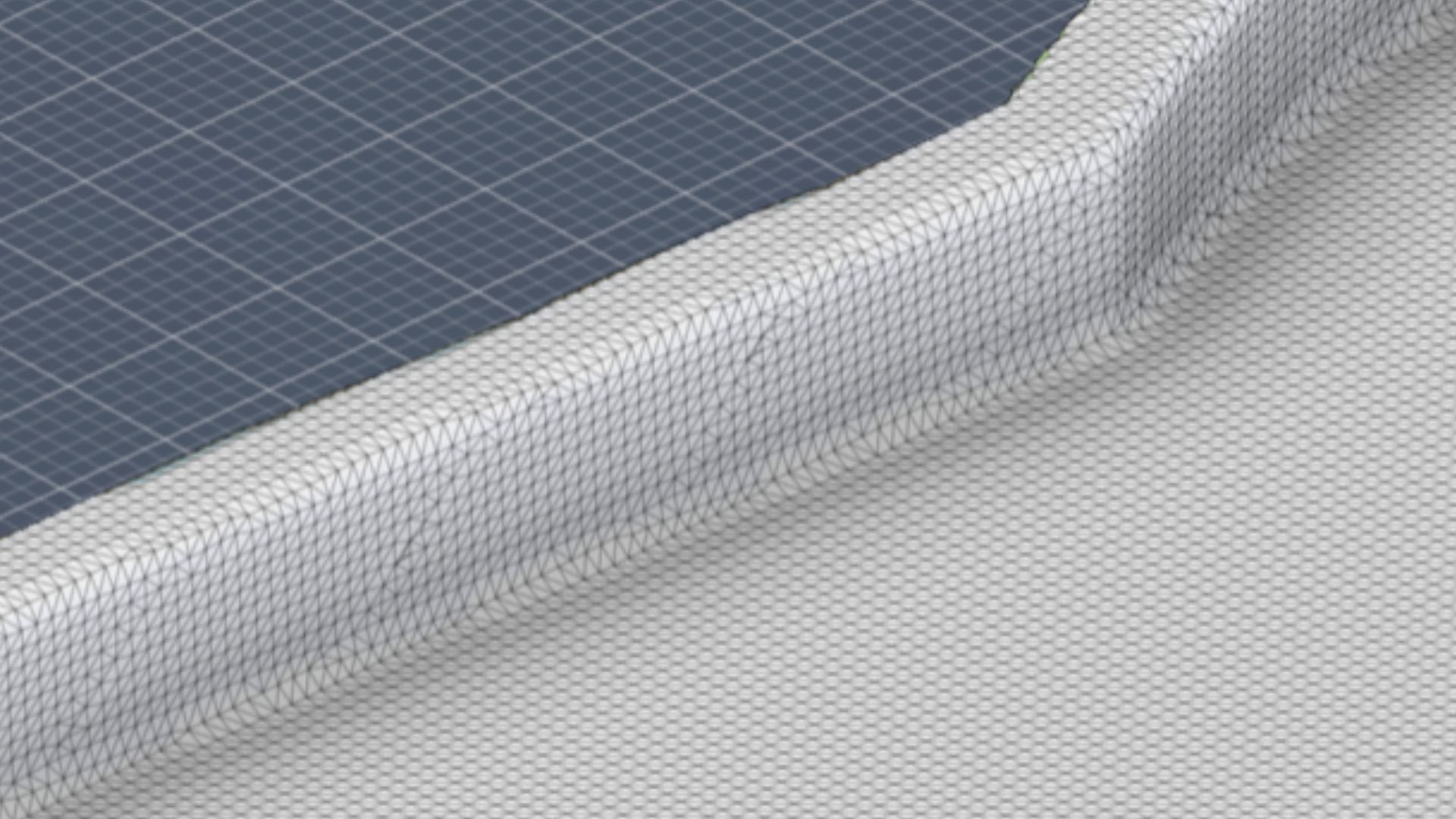
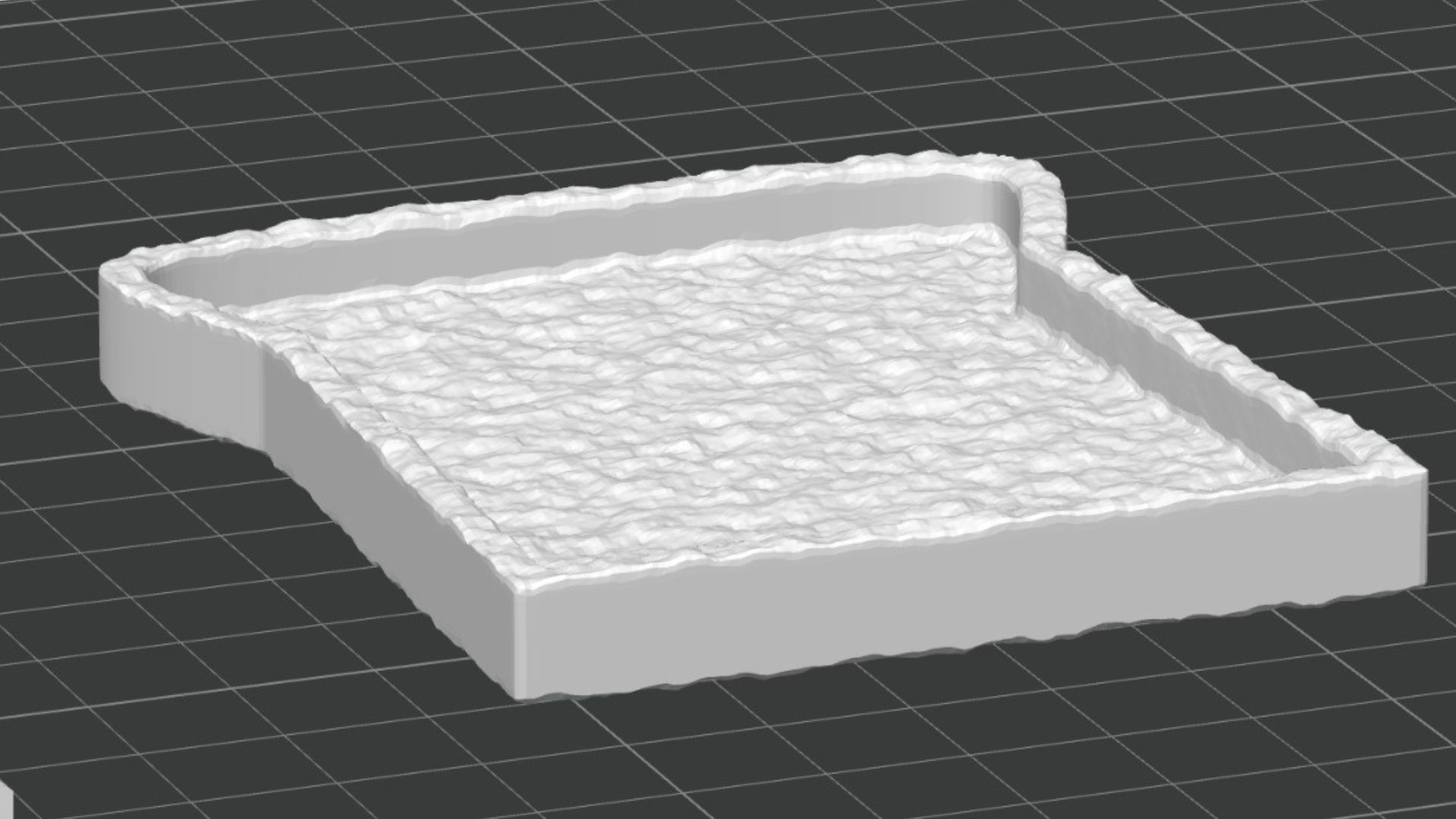
These moulds allow straightforward casting and demoulding due to their open geometry.
2. Two-Piece Moulds (2 units)
Developed for more complex forms requiring controlled release and alignment:
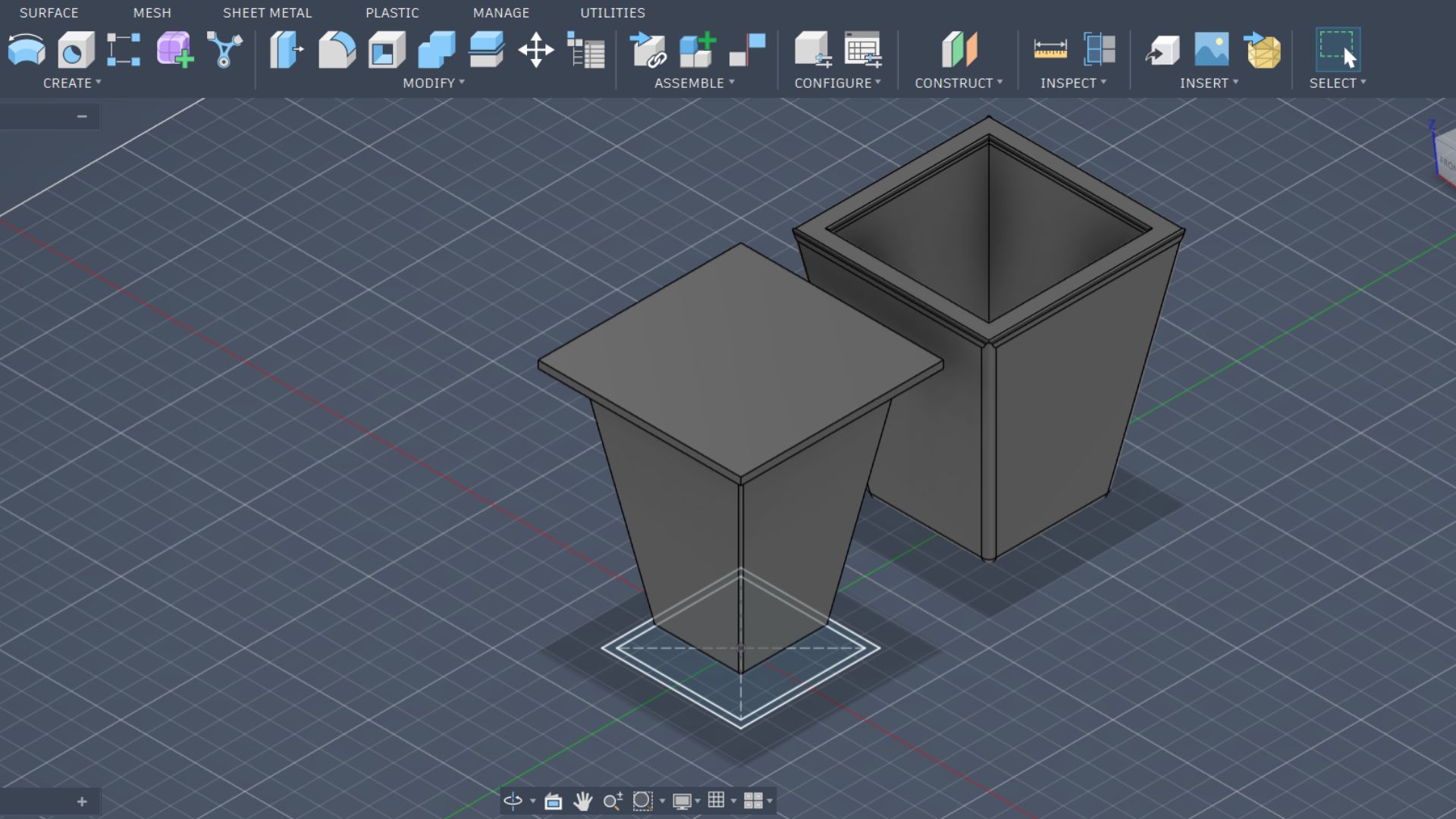
Pen Stand – Non-Interlocking Version
A basic split mould without alignment features, used to understand challenges in manual positioning.
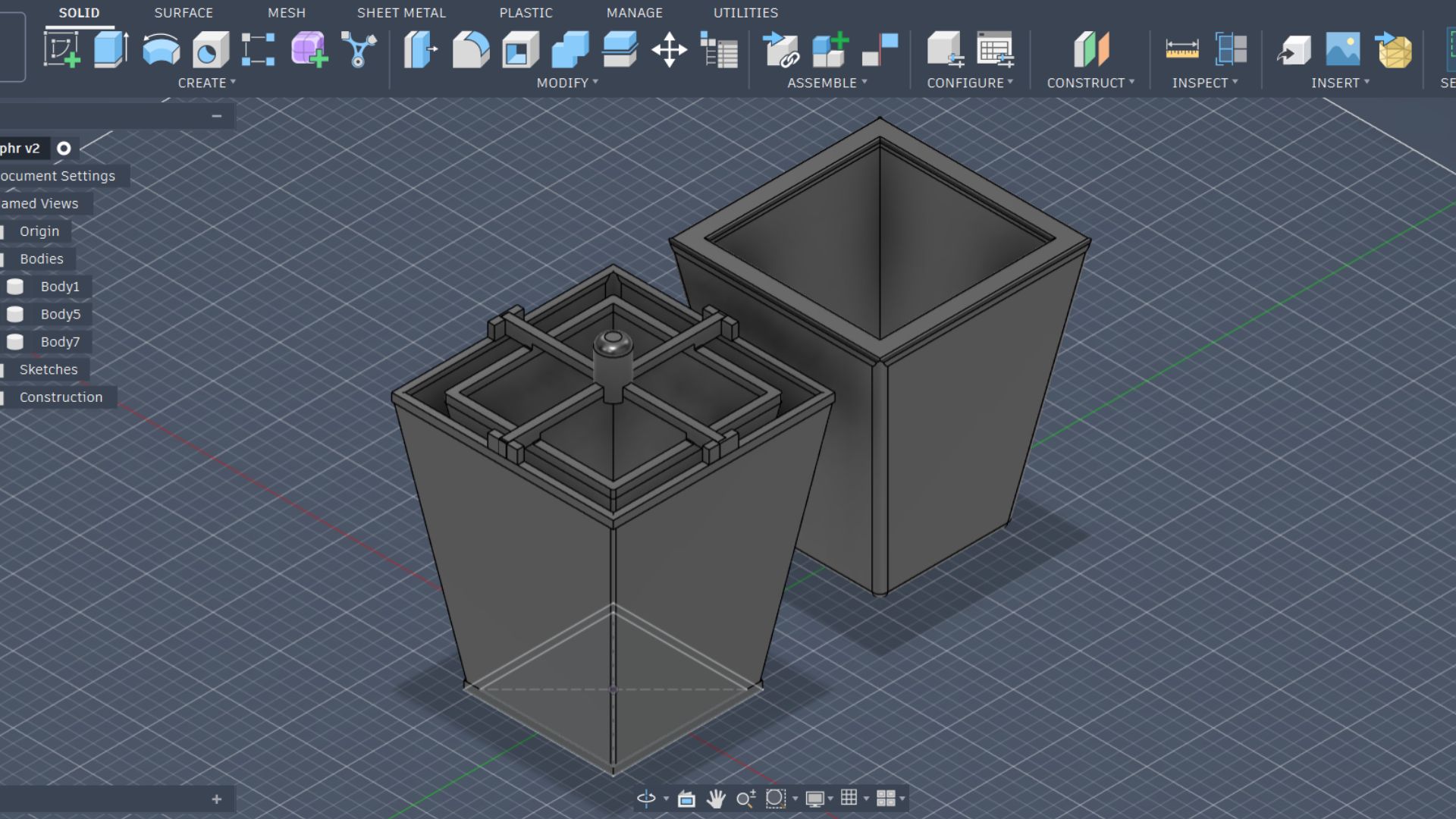
Pen Stand – Interlocking Version
A refined two-piece mould with locking slots for precise alignment, ensuring consistent casting results and reducing shifting during pouring.

Design Considerations Across All Moulds
Draft Angle (2–3°): Enables easy removal of casted parts
Fillets & Chamfers: Improve material flow and reduce sharp edges
Wall Thickness: Maintained for structural strength and durability
Clearance & Borders: Prevent overflow and ensure clean edges
Vacuum & Air Flow: Geometry planned to minimize air entrapment
Release Agent (Oil): Applied before casting for smooth demoulding
Projects
other