BakeBudy
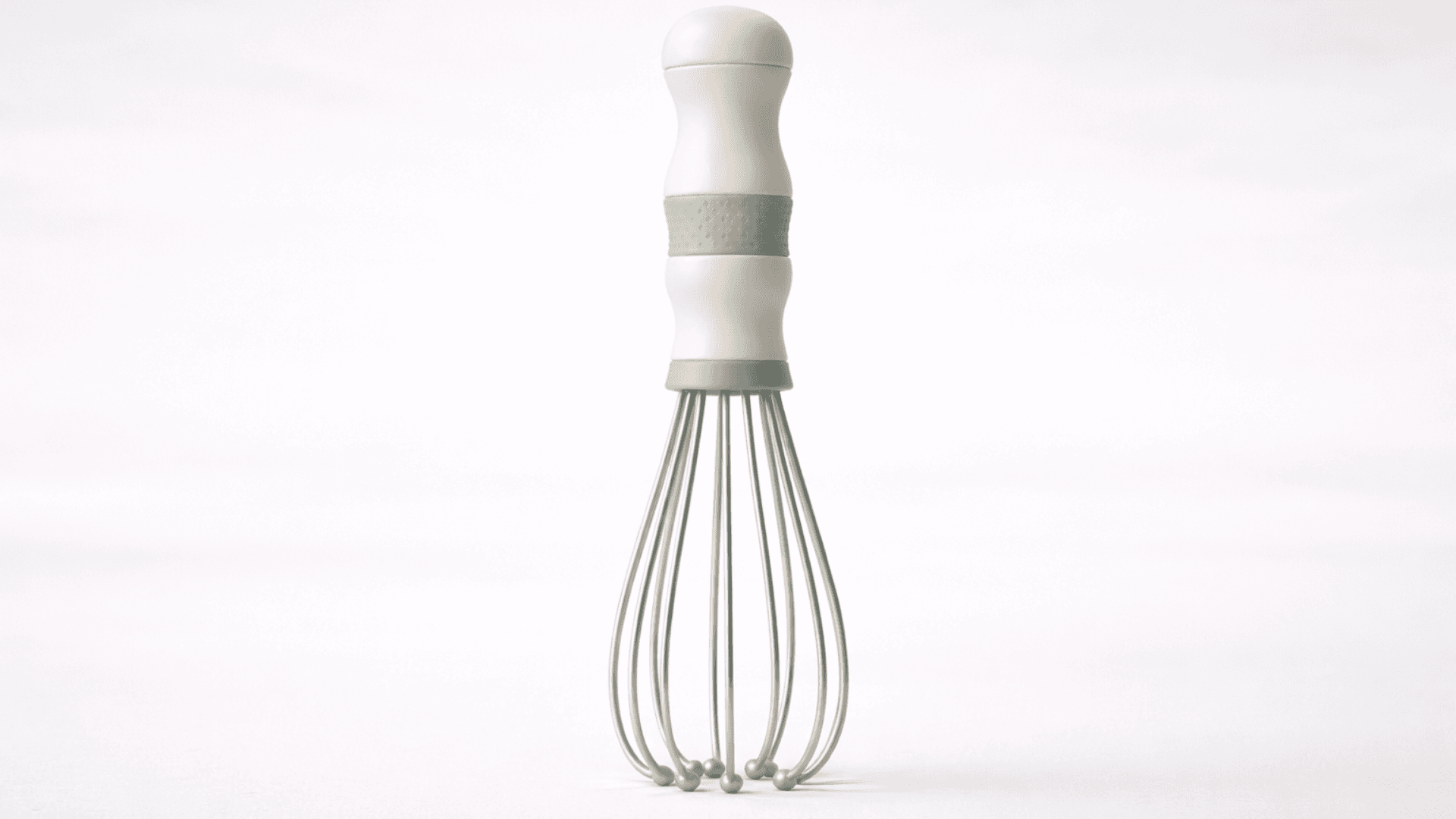
A child-friendly whisk designed to support independent baking by improving bowl stability and tool ergonomics.
Year:
2024
Category:
Product Design
Client:
Academic Project
Project Overview
This project explores how kitchen tools can be adapted for children learning to bake. The design focuses on improving safety, stability, and usability so that children can mix ingredients independently.
The system includes a whisk and a flexible lid that stabilizes the bowl during mixing, reducing movement and improving control.
Software Used
Fusion 360, Shaper 3D
Approach
The design process began with observing how children interact with kitchen tools during baking. The main challenge identified was bowl movement during mixing, which often requires parental assistance.
The design aims to create a tool system that supports independence while maintaining safety and ease of use.
Market Research
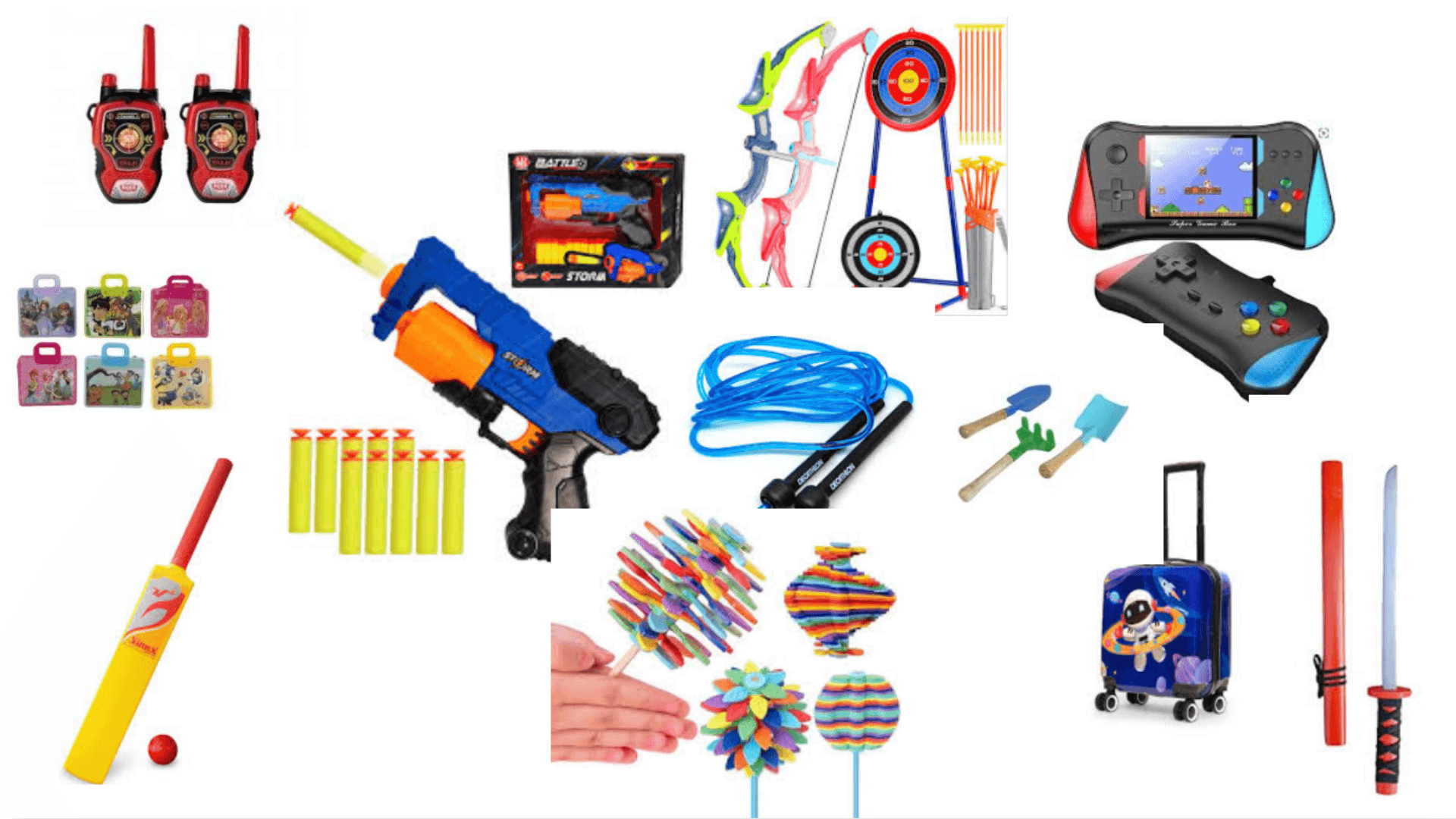
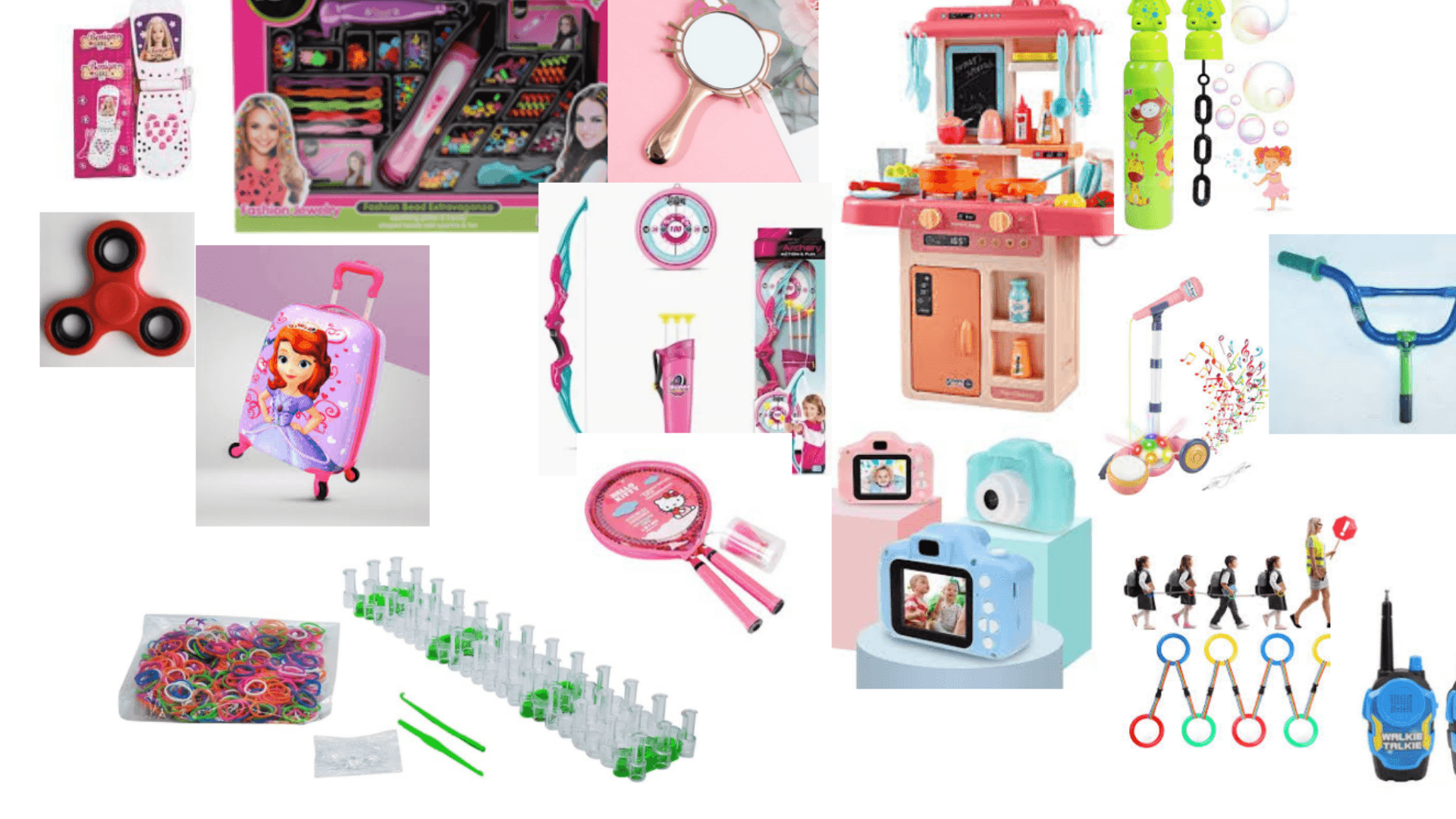
Children aged 6–8 years are in a stage where learning often happens through play and hands-on activities. Baking is commonly used as a learning activity because it helps develop coordination, patience, and basic understanding of measurements.
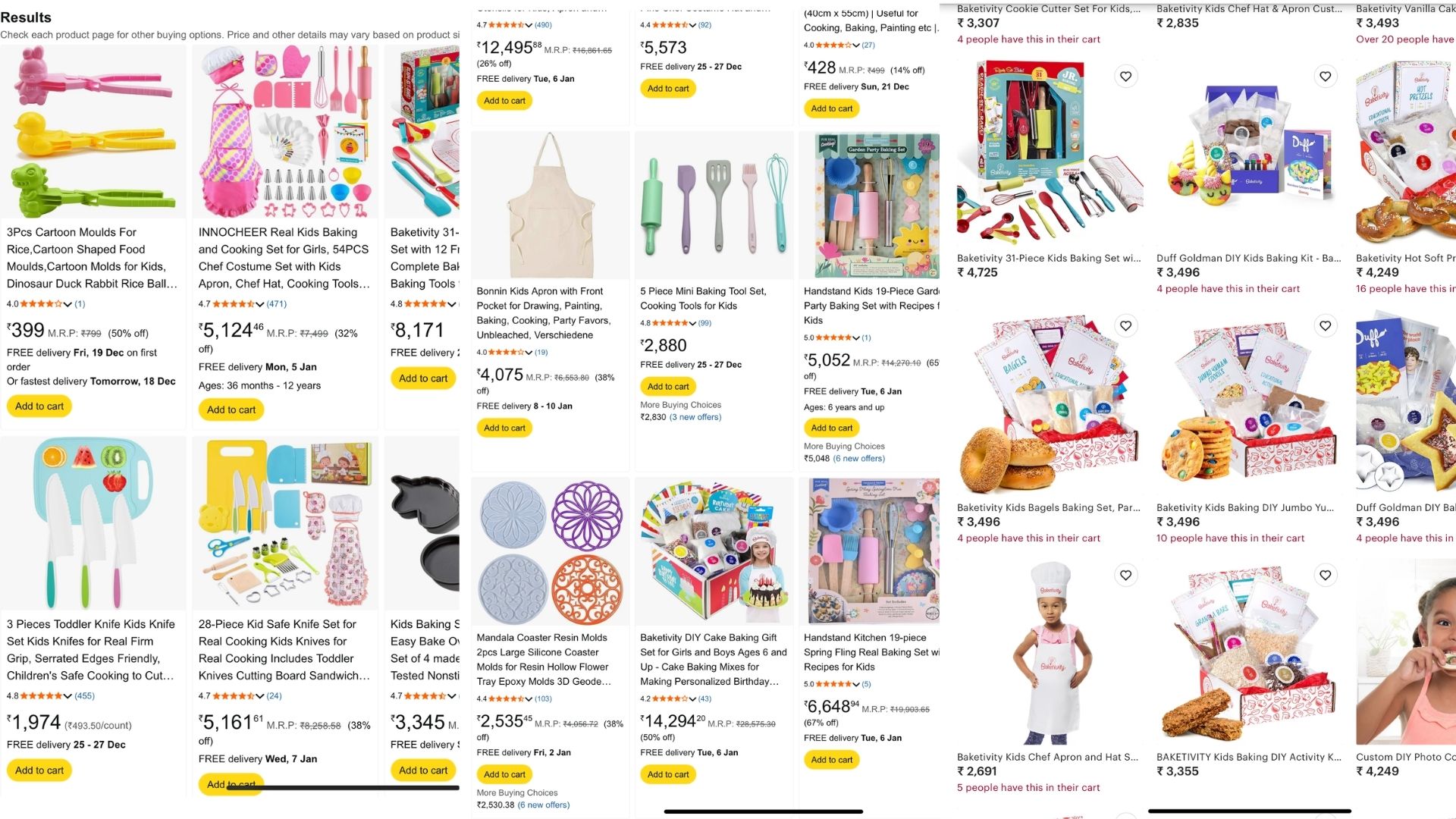
Most kitchen tools are designed for adults, which makes it difficult for children to use them independently. During baking, bowls often move while mixing, requiring parent assistance to stabilize the bowl.
This highlights an opportunity to design child-friendly baking tools that support independence while maintaining safety and ease of use.
What Children Bake
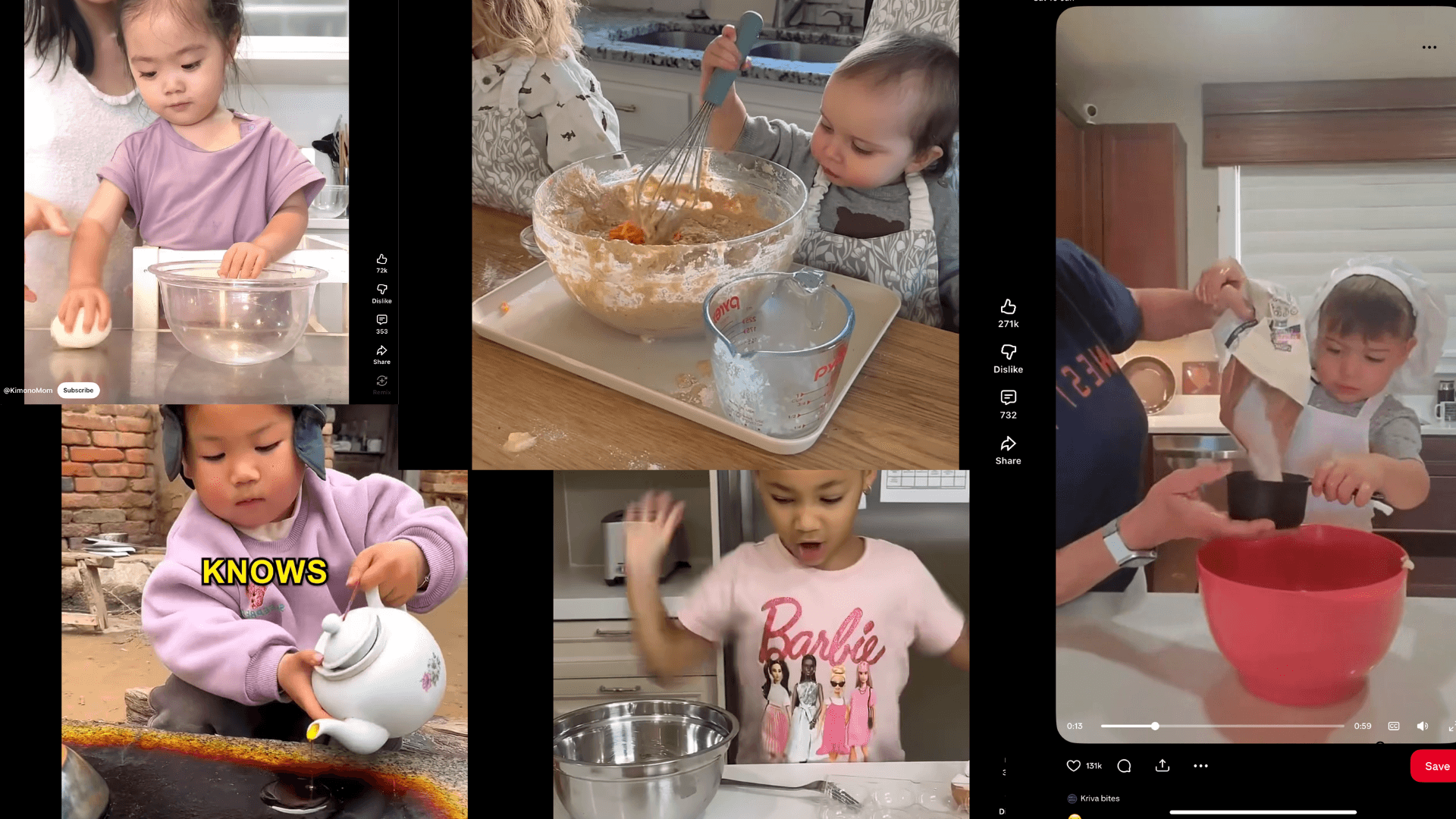
Children usually participate in simple baking activities, including:
• Cupcakes
• Cookies
• Pancakes
• Cake batter mixing
• Muffins
These activities mainly involve mixing ingredients, which makes tools like bowls and whisks essential.
What Children Learn
Baking activities help children develop:
Hand coordination during mixing
Focus and patience while following steps
Basic math skills such as measuring ingredients
Confidence and independence whencompleting tasks
These experiences support learning through play and experimentation.
Problem
During mixing, bowls often move or slide on the surface, making it difficult for children to whisk ingredients properly. As a result, parents often need to hold the bowl while the child mixes.
Target Audience
Primary Users
Children (ages 4–8) who are beginning to engage in basic kitchen activities such as mixing and measuring.
The design supports their developing motor skills, independence, and confidence.
Secondary Users
Parents or caregivers who supervise and assist during these activities, seeking safer and more stable tools for children.
Context of Use
Home kitchens
Guided learning environments
Early skill-building activities
User Ergonomics (Age 6–8)
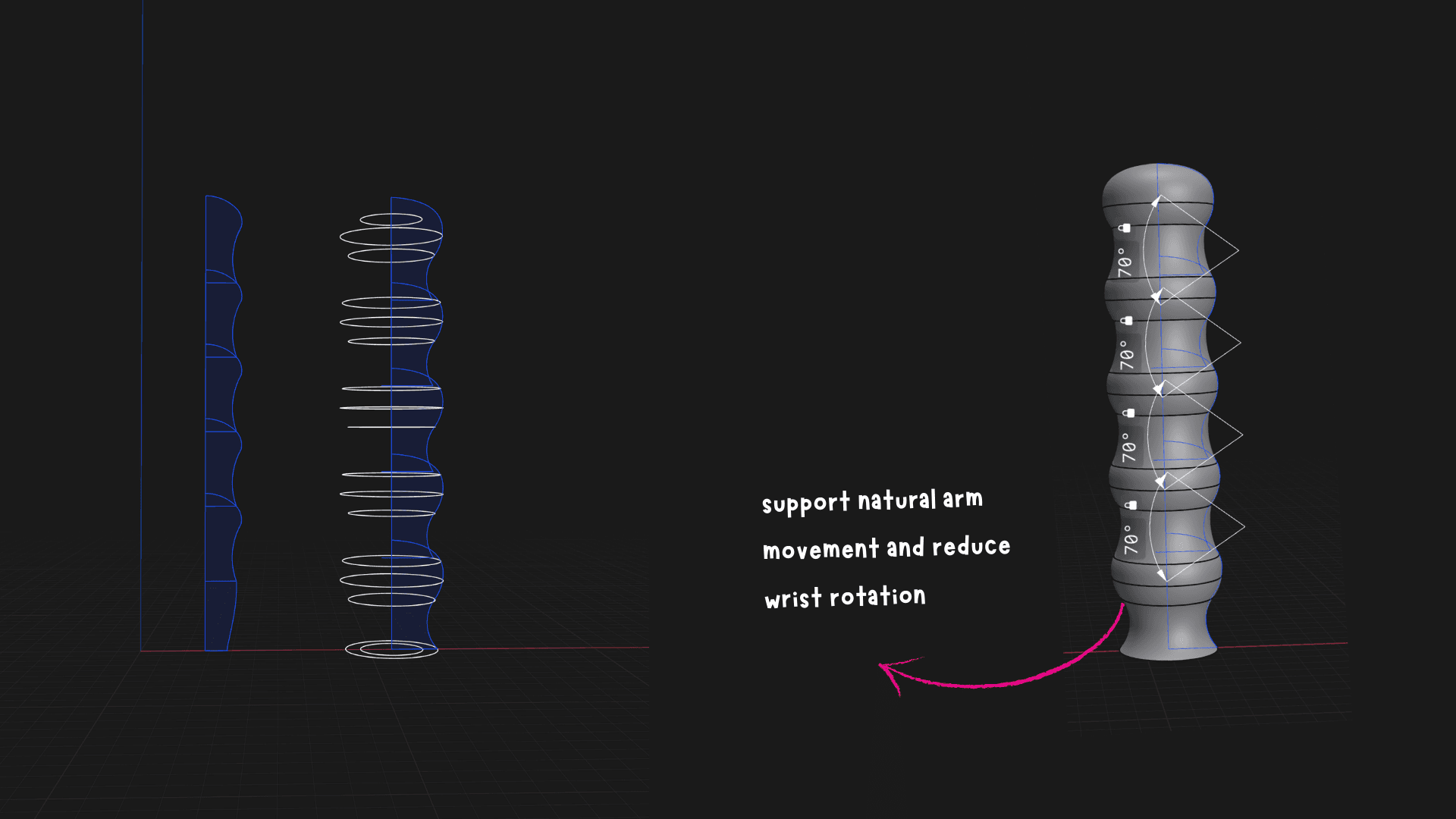
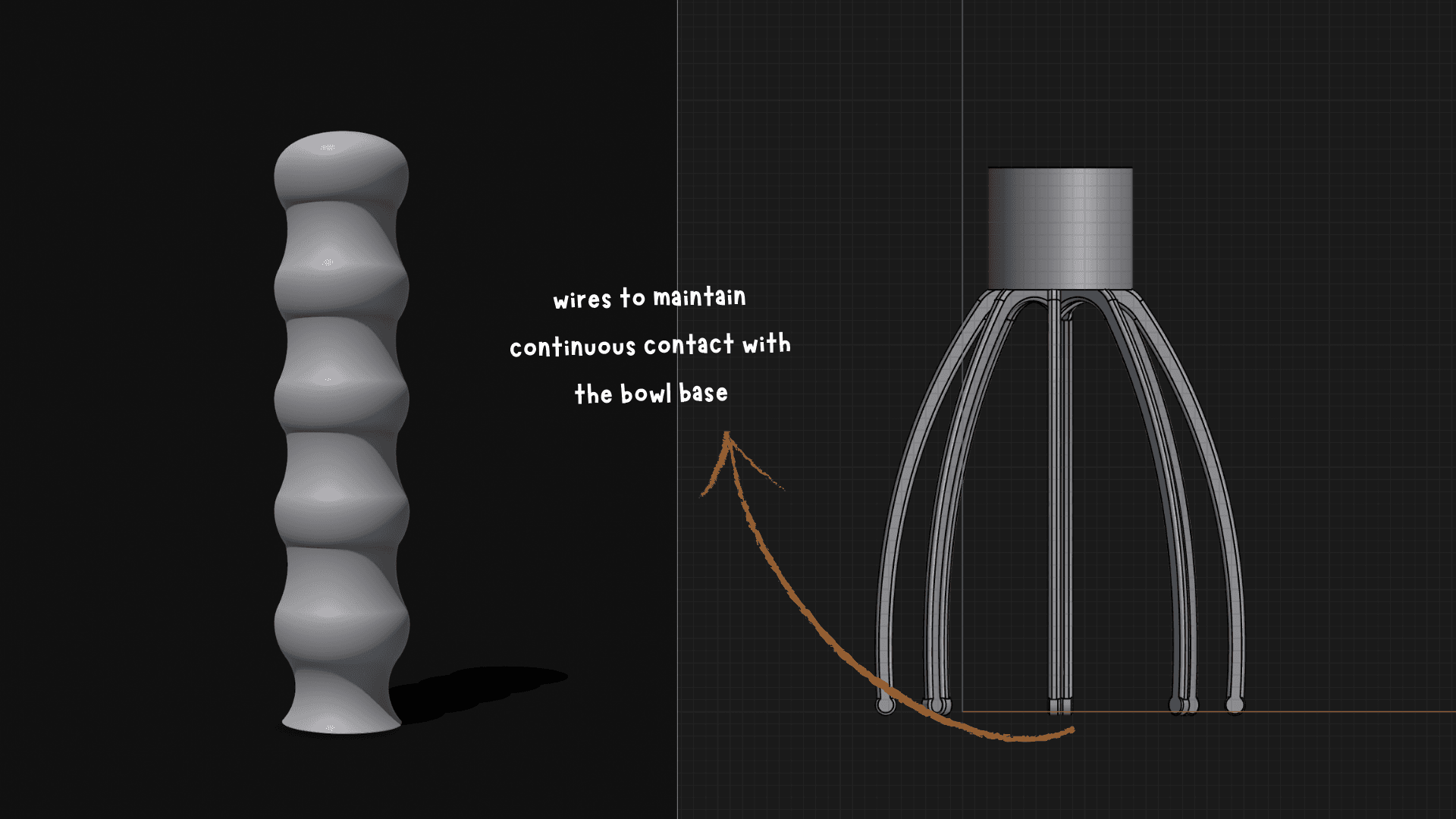
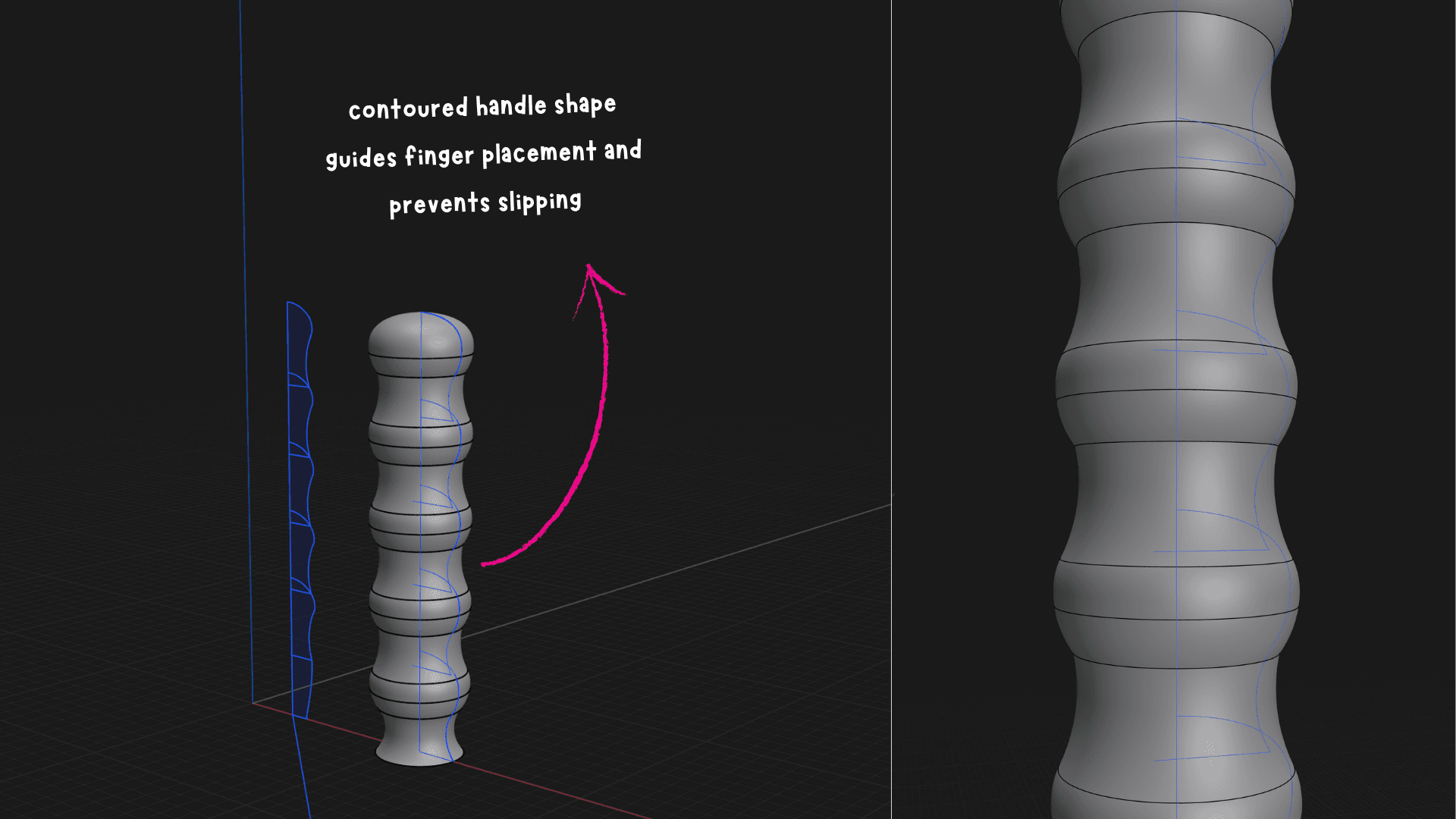
The tools were designed considering the hand size and motor skills of children aged 6–8. The whisk handle is thicker and rounded to improve grip comfort and control during mixing. The design reduces strain and allows children to hold the tool securely while performing repetitive whisking movements.
Handle Iteration & Ergonomic Refinement
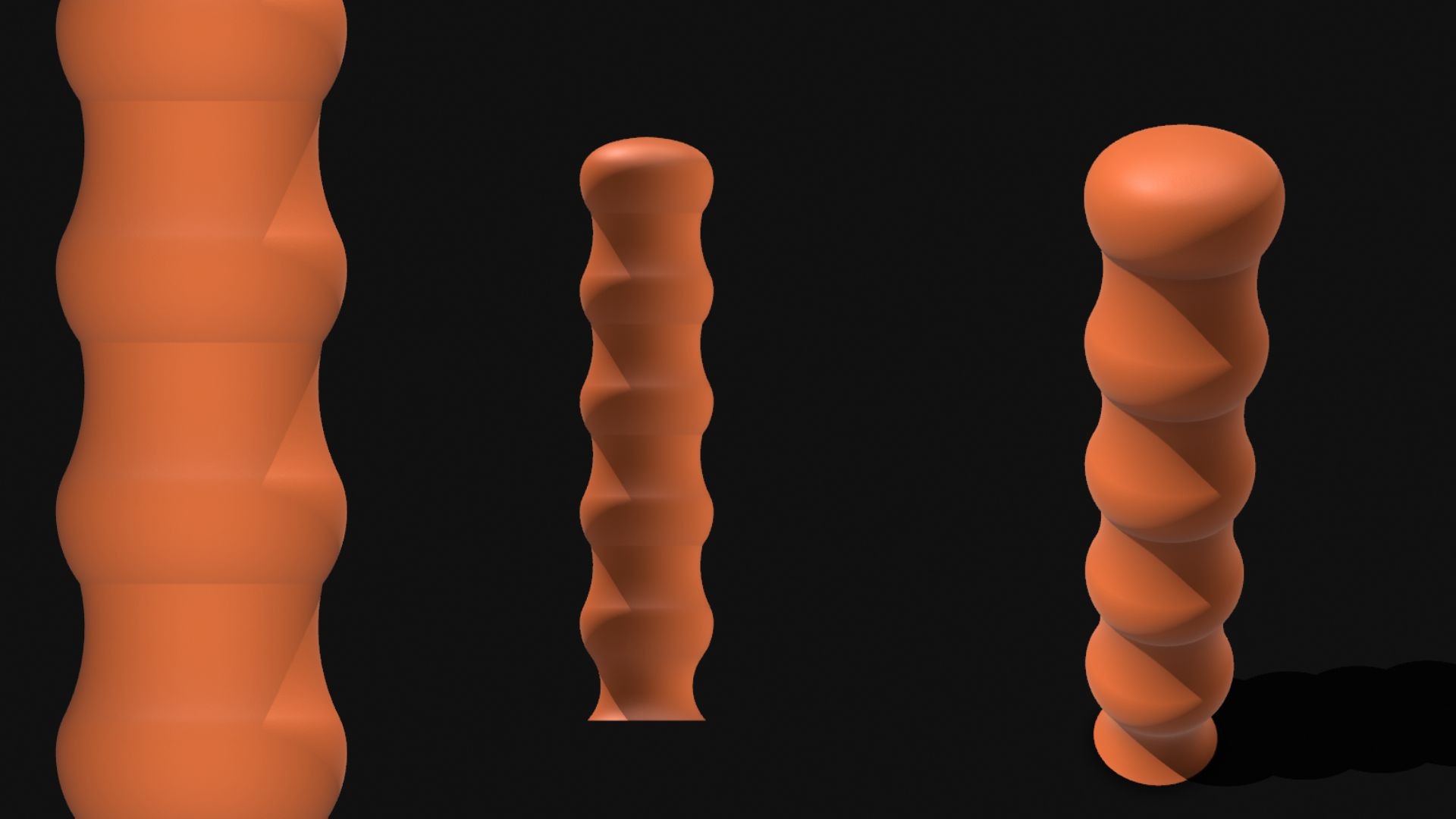
Initial handle prototypes explored varied grip geometries and connection ideas.
These revealed issues in finger placement, comfort, and control.
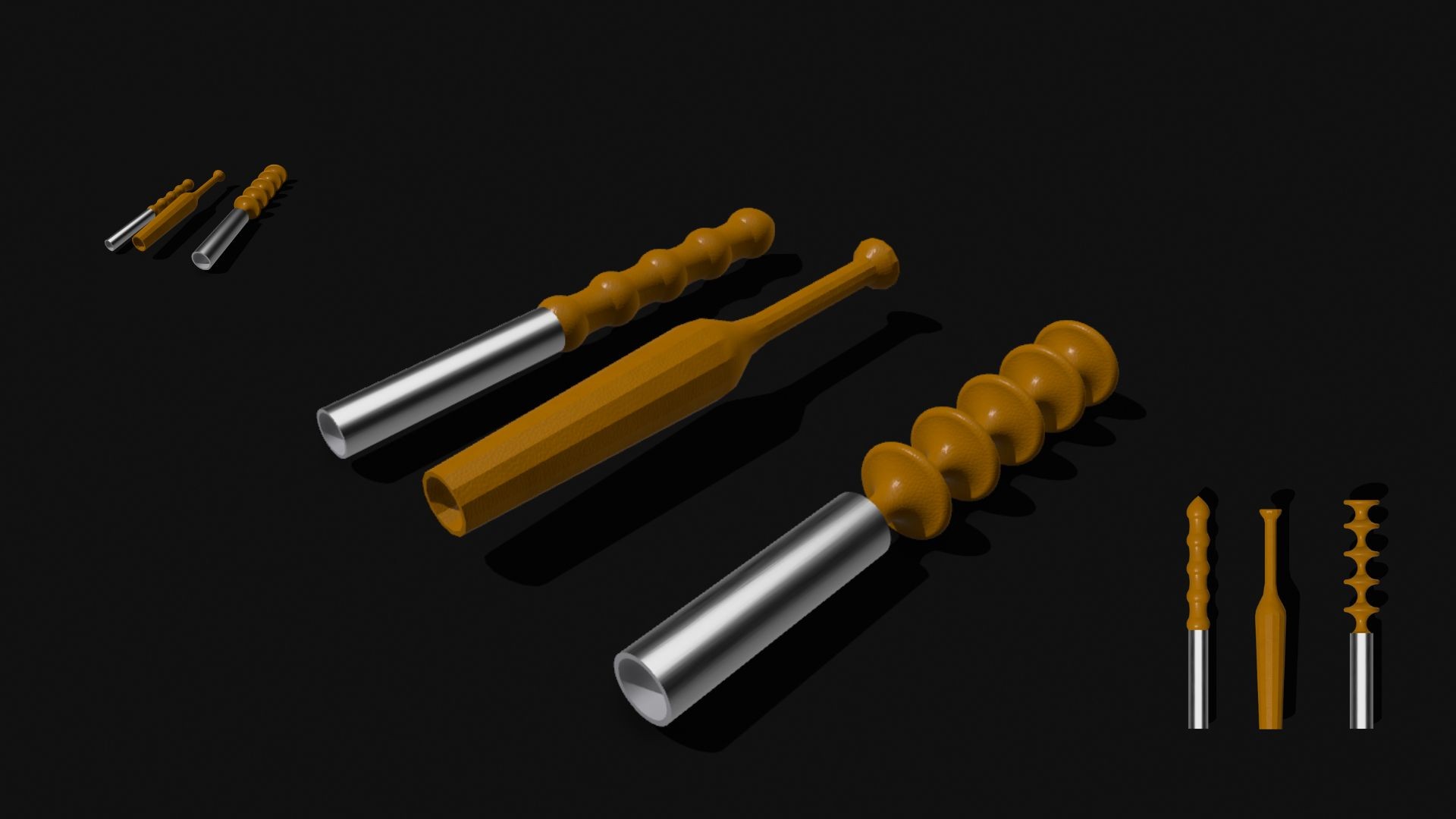
Over-contoured grip — unclear finger placement
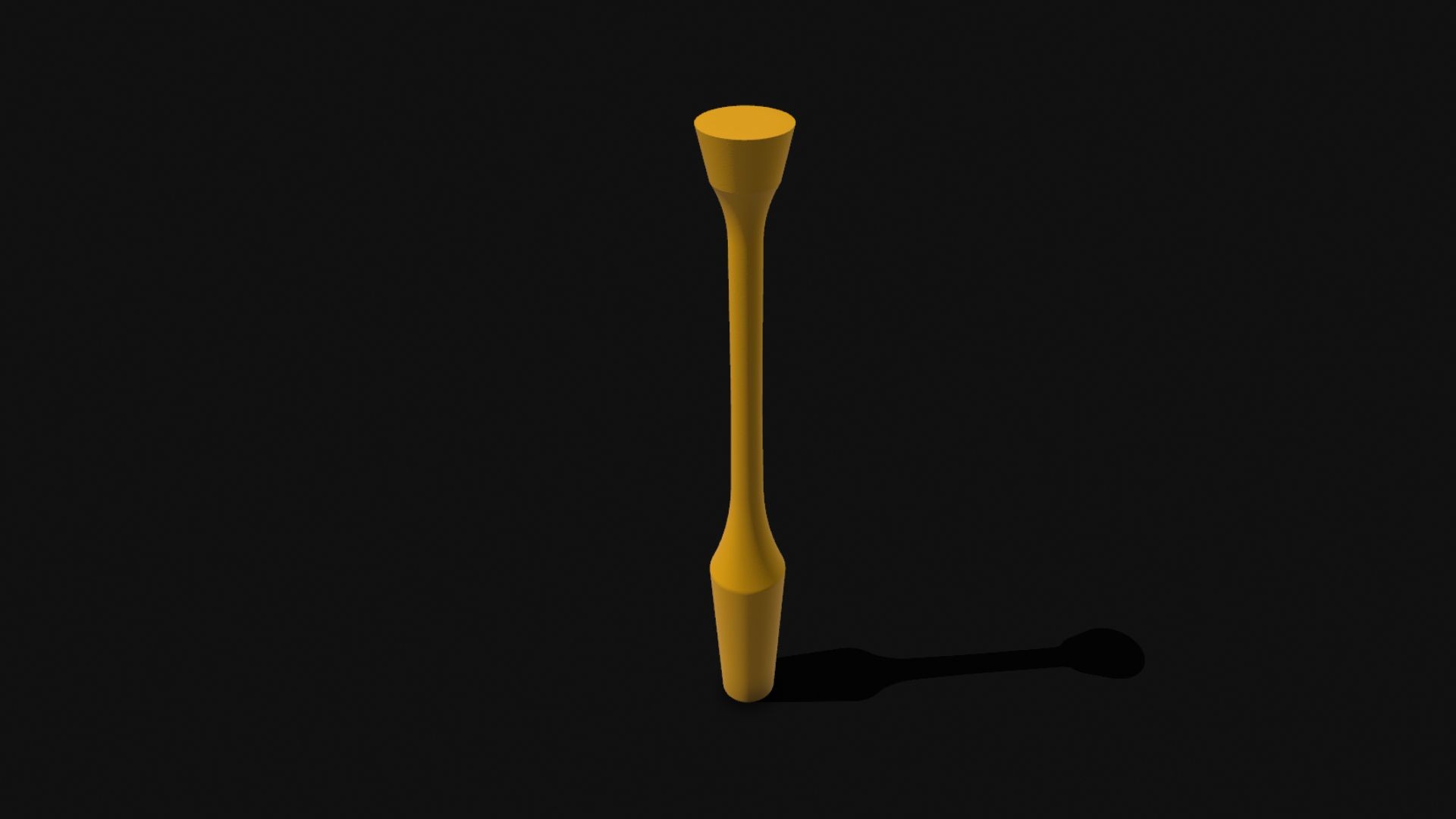
Straight form — lacks ergonomic support
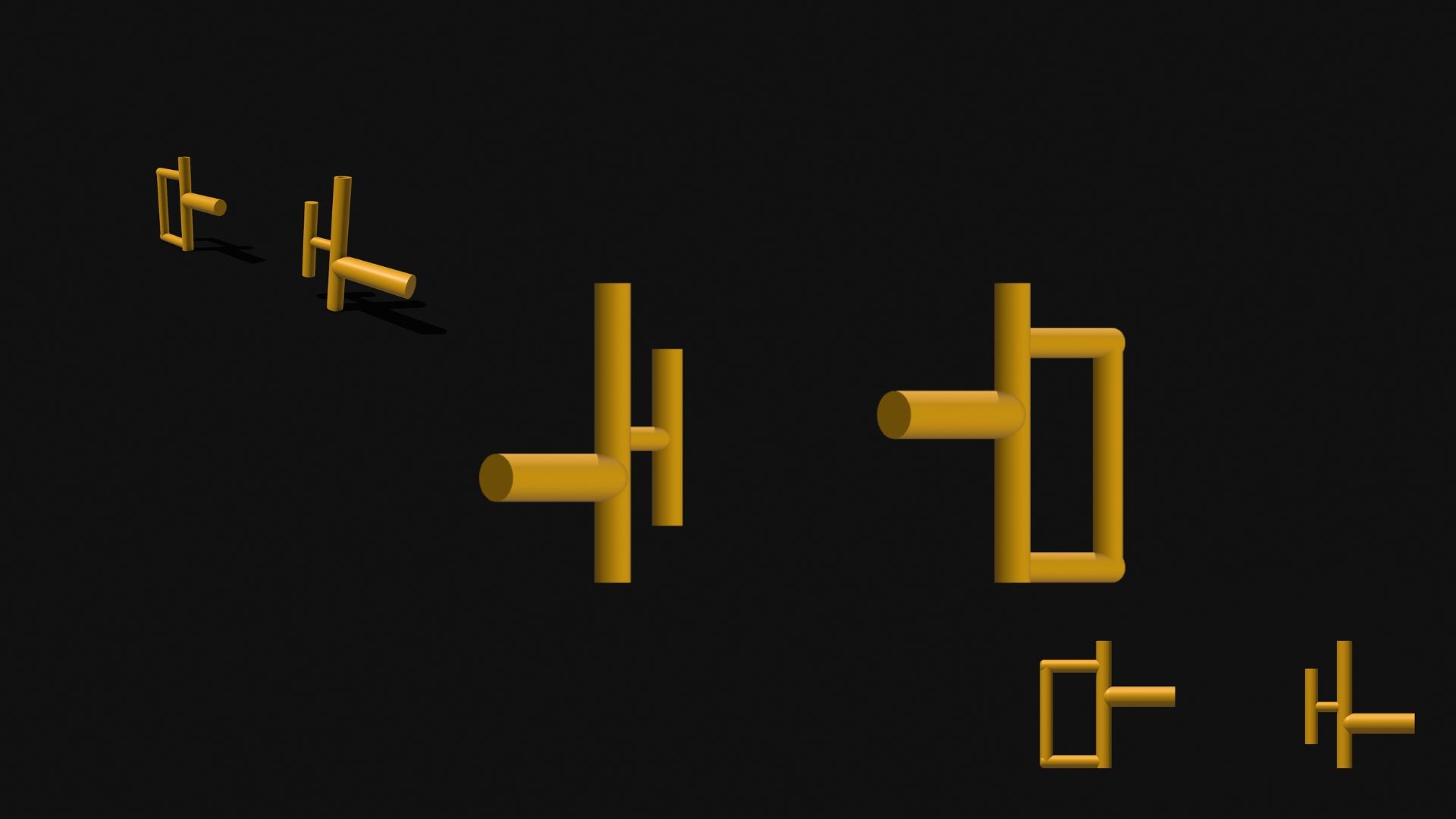
Mechanical concept — not intuitive to hold
Final Design
Refined curvature — stable and comfortable grip
Materials
Whisk: Stainless Steel (304) + Silicone Grip Handle
Lid: Food-grade Silicone
Base Mat: Non-slip Silicone
Why These Materials
Stainless Steel (Whisk Loops)
Stainless steel was selected for its durability, corrosion resistance, and food safety. It maintains its shape during mixing and is easy to clean, making it suitable for frequent kitchen use.
Silicone Grip Handle
A food-grade silicone overmold provides a soft, non-slip surface that improves grip for small hands. The material also adds comfort and reduces slipping during whisking.
Silicone Lid
Food-grade silicone was chosen for the lid because it is flexible and stretchable, allowing it to fit multiple bowl sizes while remaining safe for food contact.
Non-Slip Base Mat (Silicone/Rubber)
A non-slip material helps stabilize the bowl during mixing, preventing movement and enabling children to whisk ingredients more easily and independently.
Projects
other